Lifeguard Tower Tales

Liam Reilly
| 11-03-2026
 · Travel Team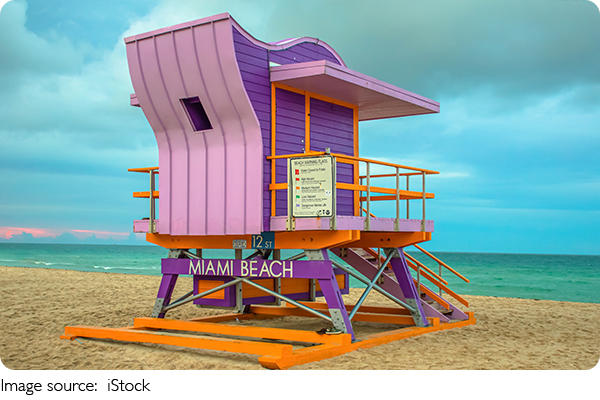
When we stroll along a sunny beach, our eyes are often drawn to colorful towers standing tall near the water. These are lifeguard towers, and they do more than just look pretty.
They play a crucial role in keeping swimmers safe and are often designed with unique architectural styles that reflect the local culture.
Every tower has a story, and every lifeguard working there is part of that story. From historic wooden huts to modern architectural marvels, these towers are part of the beach experience we often take for granted.
Purpose and Function
Lifeguard towers give lifeguards a high vantage point so they can watch over swimmers and spot potential dangers. From strong waves to sudden rip currents, these towers help lifeguards act quickly when someone is in trouble. Some towers even allow lifeguards to monitor nearby wildlife, like jellyfish or large fish that could disturb swimmers. We rely on them not just for safety, but also for peace of mind while enjoying our time at the beach or pool. Without these towers, many beaches would be less safe, and our relaxation might come with hidden risks.
Experience nature's beauty with 8 must-do activities at Hamilton Pool, from swimming to photography!
Discover the surprising roles of rapeseed beyond cooking and farming
Discover hidden trails, unique rock formations, and serene desert views
Uncover the surprising forces that carve barren lands from earth
Mount Hood, Oregon: Complete Travel Guide with Costs, Hours, Transport, Lodging, Dining and Best Time to Visit!
Discover the must-have items that make any hiking trip safer and more enjoyable.
What a lifeguard tower tells you at a glance
When you arrive at a beach, a tower can give quick safety clues:
- Active staffing: If a tower is staffed, help is immediately closer.
- Patrol focus: Towers are usually placed where swimmer traffic and risk are higher.
- Emergency readiness: Staff often have rescue tubes, boards, radios, and first-aid access nearby.
How to Use Tower Locations for Safer Swimming
- Swim near an active tower, not far down an unguarded stretch.
- Check posted signs and flags near the tower before entering the water.
- Ask lifeguards about currents, depth changes, and safer entry points.
- Keep children within close reach, even at guarded beaches.
Designs Around the World
These towers vary greatly by location. In Copenhagen, Denmark, the iconic blue-striped towers at Bellevue are associated with architect Arne Jacobsen’s 1932 beach complex and remain a signature part of the site’s visual identity.
Meanwhile, in Toronto, Canada, the historic Leuty Lifeguard Station dates to 1920 and remains one of the city’s best-known waterfront landmarks.
Cultural Significance
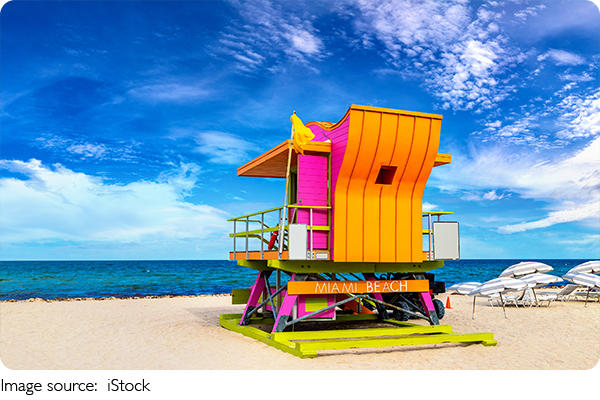
Lifeguard towers have become visual symbols of beach culture, often appearing in photography, media, and travel imagery. Beyond pop culture, they function as practical landmarks that represent care, preparedness, and community presence on the shoreline.
Innovation in Architecture
Lifeguard towers can also be architecturally distinctive—from historic wooden stations to modern coastal designs built for visibility and weather resistance. Some become local landmarks, but their primary role is always the same: public safety.
Practical beach habit to adopt
Before you put a towel down, do a 30-second scan:
1 - Where is the nearest staffed tower?
2 - Are warning flags posted?
3 - Where are most people safely swimming?
4 - If needed, how quickly could you reach help?
That quick check can make your beach day safer without changing the fun.
Parting Thoughts
Lykkers, lifeguard towers are more than just structures. They protect, guide, and inspire, all while standing resilient against sun, wind, and waves. From historic stations to modern architectural gems, they remind us to enjoy the beach safely and notice the beauty and thought behind every detail. The next time we see a tower, let’s pause for a moment to appreciate both the lifeguards and the creativity that goes into keeping our beaches safe and scenic.