Utah's Stunning Desert

Declan Kennedy
| 11-03-2026
 · Travel Team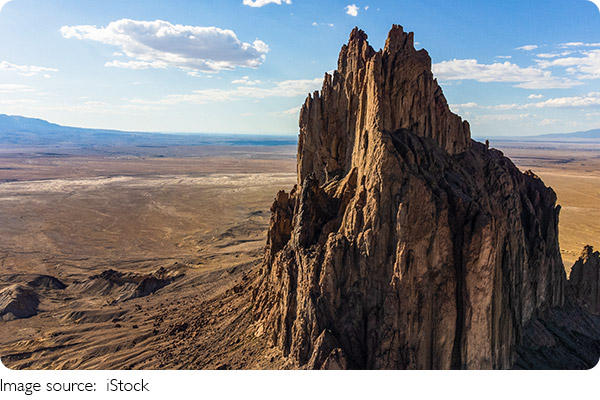
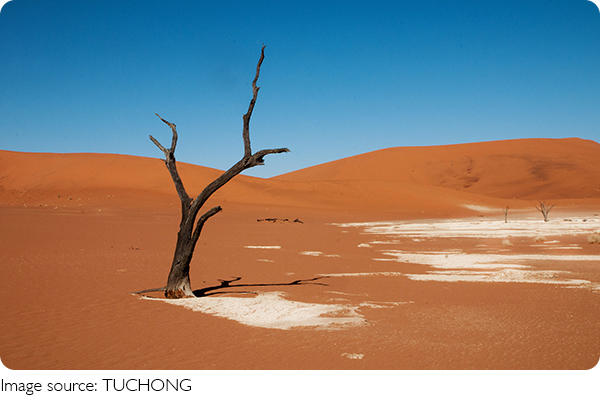
Stepping into Utah's desert feels like entering a world sculpted over millennia. The sun paints the landscape with rich hues of red and gold, and the wind shapes rocks into incredible formations.
It's easy to lose track of time here, whether you're hiking, photographing, or just soaking in the vastness.
Utah's deserts aren't just barren stretches—they're full of life, adventure, and stories waiting to be uncovered.
Exploring Iconic Rock Formations
The desert is home to some of the most striking rock formations in the United States. From towering spires to delicate arches, each formation has a story carved in stone.
1. Hiking the Arches: Trails like those in Arches National Park offer both short walks and multi-hour treks. Plan to arrive early, around 7 a.m., to avoid the heat and crowds. Don't forget water—carry at least 2 liters per person for a half-day hike.
Uncover the surprising forces that carve barren lands from earth
Mount Hood, Oregon: Complete Travel Guide with Costs, Hours, Transport, Lodging, Dining and Best Time to Visit!
Discover the must-have items that make any hiking trip safer and more enjoyable.
Explore hidden gardens, historic ruins, and serene beaches just minutes away.
Explore a Flamingo Haven and Alkaline Wonder in East Africa.
Discover Écrins National Park: Free Entry, Stunning Alpine Views, Trails, Budget Stays, Dining Tips & Best Seasons!
2. Photographing the Landscapes: The best light is usually during the golden hours—sunrise or just before sunset. Try framing shots with natural arches or lone mesas to capture the scale. A tripod can make a huge difference in low light photography.
3. Identifying Rock Layers: Notice the colors in the rock layers: red from iron oxide, pale beige from sandstone. Understanding these layers can enhance your appreciation of the desert's geological history.
Desert Flora and Fauna
While it may seem lifeless at first glance, Utah's deserts host a surprising variety of plants and animals adapted to the harsh environment.
1. Native Plants: Cacti, sagebrush, and juniper are common. When hiking, observe how these plants store water—succulent leaves or deep roots. For instance, prickly pear cacti bloom vibrant yellow flowers in late spring, perfect for photography.
2. Wildlife Watching: Early morning or dusk are the best times to spot animals. You might see jackrabbits hopping across sand, lizards basking on rocks, or birds like the canyon wren darting between cliffs. Keep a respectful distance to avoid disturbing them.
3. Desert Survival Tips: Always wear a hat and sunscreen. Lightweight, long-sleeved clothing protects against sunburn while keeping you cool. And never underestimate the importance of hydration—carry more water than you think you'll need.
Practical Travel Tips
Visiting the Utah desert requires preparation, especially for first-time visitors.
1. Transportation: Renting a vehicle is the most convenient way to explore remote trails. A 4x4 isn't always necessary, but it can help access less-traveled areas. Gas stations can be far apart, so fill up in nearby towns before heading out.
2. Ticket and Entry Information: Many parks have entrance fees around $30 per vehicle for a day pass. If you plan to visit multiple national parks, an annual pass for $80 covers all federally managed parks across the country.
3. Best Time to Visit: Spring (March–May) and fall (September–October) offer mild temperatures and fewer crowds. Summer can be extremely hot, with daytime temperatures often exceeding 95°F (35°C), so early morning excursions are key.
Experiencing Desert Adventures
Beyond hiking, there are several activities to immerse yourself in the desert landscape.
1. Off-Road Exploration: Many desert areas have designated trails for off-road vehicles. Stick to marked routes to protect fragile ecosystems and avoid getting lost.
2. Stargazing: The clear desert sky provides incredible stargazing opportunities. Bring a blanket and telescope if you have one, and look for the Milky Way stretching across the horizon.
3. Guided Tours: Local guides offer insights into geology, history, and ecology. Joining a guided hike or photography tour can enrich your visit and reveal hidden spots you might otherwise miss.
Walking through Utah's desert isn't just about seeing—it's about noticing. The subtle curves of a mesa, the faint tracks of an animal, the quiet hum of the wind through canyons all invite reflection. The desert teaches patience and appreciation for nature's artistry, and every visit feels like discovering a secret world.
Next time you're seeking wide-open spaces and natural wonders, consider packing your backpack, filling your water bottles, and setting out into Utah's desert. Even a short hike can offer moments of awe, and with the right preparation, it becomes an unforgettable adventure where every step reveals a new layer of beauty.