A Golden Sea

Caleb Ryan
| 11-03-2026
 · Travel Team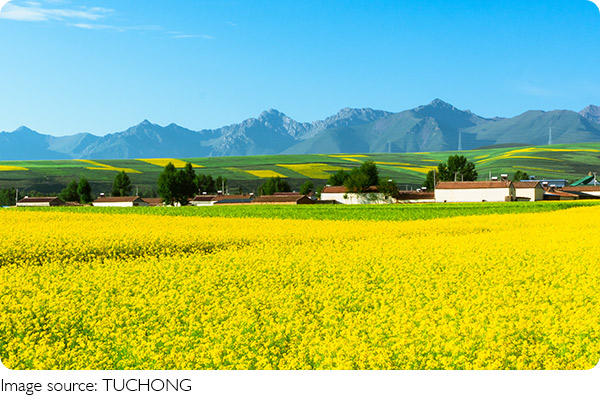
Stepping into a field of bright yellow flowers is like entering a sea of sunlight.
Rapeseed, with its vibrant blossoms, is more than just a pretty plant—it has a range of surprising uses, ecological roles, and quirky facts that most people never consider.
Learning about it can change the way you see this common crop.
Origins and Global Reach
Rapeseed, scientifically known as Brassica napus, has been cultivated for centuries for its seeds and oil. Its spread across different climates demonstrates its versatility and adaptability.
1. Cultivation Zones: Rapeseed thrives in temperate climates and can be grown on a wide range of soils, making it common in fields across Europe and North America.
Discover hidden trails, unique rock formations, and serene desert views
Uncover the surprising forces that carve barren lands from earth
Mount Hood, Oregon: Complete Travel Guide with Costs, Hours, Transport, Lodging, Dining and Best Time to Visit!
Discover the must-have items that make any hiking trip safer and more enjoyable.
Explore hidden gardens, historic ruins, and serene beaches just minutes away.
Explore a Flamingo Haven and Alkaline Wonder in East Africa.
2. Crop Rotation: Farmers often plant rapeseed as part of crop rotation to improve soil quality. Its deep roots help break up soil, enhancing drainage and nutrient absorption for future crops.
3. Actionable Example: If you're a home gardener, consider planting rapeseed in a plot to naturally enrich the soil before the next planting season. Its bright flowers also attract pollinators, which can benefit nearby fruit and vegetable plants.
Oil Production and Uses
One of rapeseed's most well-known applications is producing oil. However, its potential goes far beyond just cooking.
1. Culinary Uses: Rapeseed oil, often labeled as canola oil, has a mild flavor and high burning point, making it suitable for frying, baking, and salad dressings.
2. Industrial Applications: Beyond the kitchen, rapeseed oil is used in biofuels, lubricants, and even paints. Its renewable nature makes it a more sustainable alternative to petroleum-based products.
3. Actionable Tip: Look for cold-pressed rapeseed oil at local markets. It retains more nutrients and offers a richer flavor for salad dressings or drizzling over roasted vegetables.
Ecological Importance
Rapeseed is not just a crop for humans—it plays a significant role in local ecosystems.
1. Pollinator Attraction: The bright yellow flowers are highly attractive to bees and other pollinators. This supports biodiversity and helps maintain healthy populations of beneficial insects.
2. Soil Health: Its fast-growing foliage protects soil from erosion during off-seasons, while fallen leaves decompose into natural fertilizer.
3. Practical Example: If you're interested in promoting bees in your area, planting rapeseed alongside flowering shrubs can provide an early source of nectar, especially in spring when food sources are scarce.
Interesting Growth Patterns
Rapeseed has several quirky traits that make it stand out among crops.
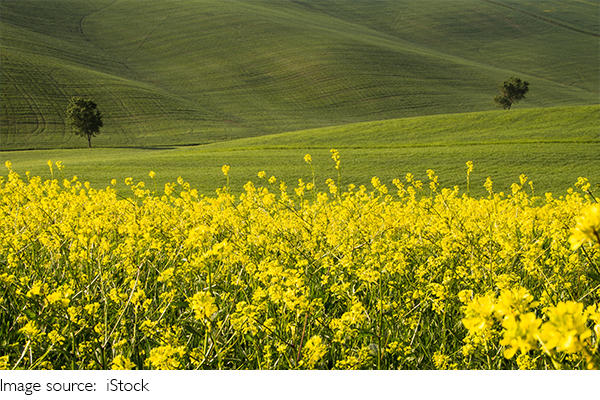
1. Flowering Time: Depending on the variety, rapeseed can bloom in as little as 60 days after planting, creating sudden swaths of yellow fields that are visually striking.
2. Seed Yield: Each plant produces hundreds of small seeds packed with oil, making it highly efficient as a crop.
3. Actionable Tip: When observing fields during a road trip or hike, notice the density of blooms. Dense fields indicate healthy plants with optimal soil conditions and moisture levels.
Human Health Benefits
Rapeseed isn't just useful industrially or ecologically—it also provides nutritional benefits.
1. Nutrient Profile: The oil is rich in unsaturated fats, omega-3 fatty acids, and vitamin E, which support heart health and reduce inflammation.
2. Cooking Advantage: Its mild taste doesn't overpower dishes, allowing the natural flavors of ingredients to shine while providing health benefits.
3. Practical Example: Swap rapeseed oil for butter or saturated oils in everyday cooking. For instance, sauté vegetables in rapeseed oil to boost your intake of healthy fats without changing the taste.
Rapeseed might look like a simple yellow flower in a field, but it carries ecological, nutritional, and practical significance that reaches far beyond its visual appeal.
The next time you pass a golden field swaying in the wind, take a moment to appreciate its role in supporting pollinators, improving soil, and even contributing to your kitchen. Each bloom represents a mix of history, science, and everyday utility that we often overlook.