How Deserts Take Shape

Nolan O'Connor
| 11-03-2026
 · Travel Team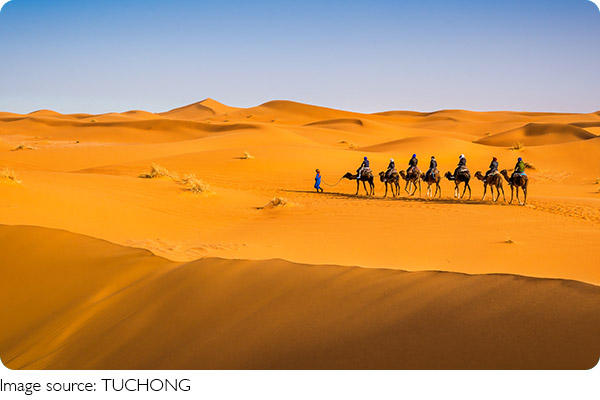
Step into a desert and you'll notice more than just sand.
The landscapes are shaped by invisible forces over thousands of years—winds that sculpt dunes, rivers that vanish into dry basins, and shifts in climate that slowly dry out the soil.
Understanding how deserts form isn't just geology—it's a story of earth, air, and time interacting in remarkable ways.
Climate and Rainfall Patterns
Deserts are defined not by temperature but by scarcity of rainfall. Some are hot and blazing, others cold and dry, but all share limited water availability.
1. Low Precipitation: Many deserts receive less than 10 inches of rain annually. For example, the Atacama Desert in South America has some regions with nearly zero rainfall for decades.
Mount Hood, Oregon: Complete Travel Guide with Costs, Hours, Transport, Lodging, Dining and Best Time to Visit!
Discover the must-have items that make any hiking trip safer and more enjoyable.
Explore hidden gardens, historic ruins, and serene beaches just minutes away.
Explore a Flamingo Haven and Alkaline Wonder in East Africa.
Discover Écrins National Park: Free Entry, Stunning Alpine Views, Trails, Budget Stays, Dining Tips & Best Seasons!
How to see Bora Bora's peak from the lagoon without rushing or wasting money!
2. Rain Shadow Effect: Mountains can block clouds, creating dry areas on their leeward sides. If you hike on one side of a mountain range and notice lush vegetation, cross over and you may suddenly be in a desert-like environment.
3. Seasonal Shifts: Some deserts experience rare bursts of rain that trigger sudden blooms of flowers or temporary lakes. Timing a visit after these events can reveal surprising pockets of life in the desert.
Wind and Erosion
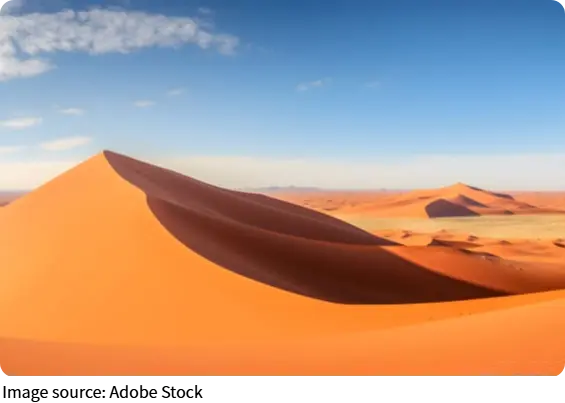
Wind plays a major role in shaping deserts, moving sand and dust across the landscape and carving unique formations.
1. Dune Formation: Sand blown by consistent winds accumulates into dunes. Different wind directions create different types of dunes—crescent-shaped barchans or long linear ridges.
2. Rock Sculpting: Over time, wind carries tiny particles that wear down rock faces. You'll see smooth, polished stones or unusual shapes in many deserts, such as hoodoos or mesas.
3. Practical Example: When hiking in deserts, notice how soft sand shifts underfoot. Try walking along a ridge early in the day—the sand is firm, but as temperatures rise, it loosens, demonstrating wind and temperature's effect on surface texture.
Temperature Extremes
Deserts often experience dramatic temperature swings between day and night, which contributes to their unique formations.
1. Rock Fracturing: Daytime heat expands rocks, and nighttime cooling contracts them. Over years, this repeated stress causes cracking and eventually fragments, contributing to desert rubble fields.
2. Thermal Effects on Soil: Dry, hot conditions evaporate moisture from the soil, leaving behind sand and dust. These particles are then easily moved by wind, reshaping the land continuously.
3. Visitor Tip: When exploring deserts, wear layers. The sun can be intense, but nights often drop below 50°F (10°C) even in hot deserts, making preparation important.
Water and River Systems
Though deserts are dry, water has historically played a key role in their formation.
1. Ancient Rivers: Many deserts were once river valleys or lake beds. Evidence of ancient water systems can be seen in dry riverbeds, known as wadis, or salt flats left behind by evaporated lakes.
2. Flash Floods: Sudden storms can create temporary rivers, carving channels in the desert floor. These events are rare but powerful, shaping canyons and depositing sediments.
3. Field Example: If visiting desert canyons, look for layered rocks—each layer can tell a story of ancient water flow, sediment deposits, and even fossilized remains of life that once thrived there.
Human Observation and Adaptation
While natural forces dominate desert formation, humans have learned to observe and adapt to these conditions, often using them as natural indicators.
1. Navigation: Traditional travelers use dunes, mountains, and the sun's position to navigate. Even today, understanding wind direction or recognizing dry riverbeds can be critical for desert exploration.
2. Agriculture Adaptation: In regions bordering deserts, humans create oases or irrigation systems that show the contrast between arid lands and cultivated areas. Observing how plants survive with minimal water provides insight into the desert's challenges.
3. Learning from Patterns: By tracking rainfall, wind shifts, and temperature changes, scientists predict desert expansion and study how ecosystems adapt. Visitors can appreciate this by noting plant and animal patterns along hikes or photography trips.
Deserts are far from empty. They are living records of the earth's climate, winds, and water over millennia. Each dune, canyon, and rock formation tells a story of forces constantly at work, invisible yet powerful. Understanding how deserts form gives us a deeper respect for these seemingly harsh landscapes and the life that manages to thrive there.
Next time you find yourself standing in a desert, take a moment to observe the curves of the dunes, the cracked soil, and the distant rock formations. Each element is a chapter in the story of how water, wind, and time can shape the planet, reminding us that even barren landscapes are full of lessons.