Automotive & Environment

Ravish Kumar
| 10-12-2025
 · Auto Team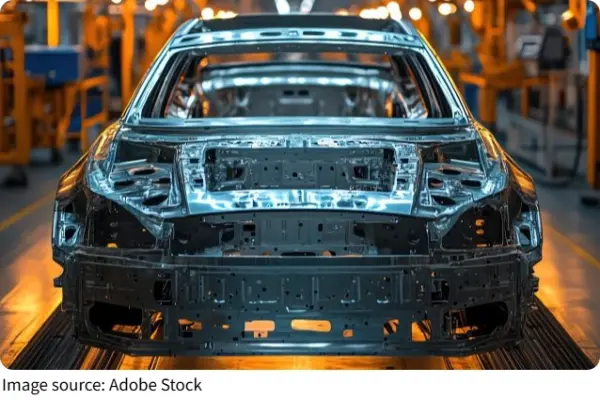
When you think of a car, you probably think of its sleek design, its engine power, and its ability to get you from point A to point B. But behind every car on the road is an environmental cost that many of us rarely consider.
From the raw materials used in production to the emissions released during manufacturing, the process of creating a car takes a significant toll on the planet.
So, how exactly does car manufacturing impact the environment—and what can be done to reduce these effects?
The Carbon Footprint of Production
Building a car involves more than just assembling parts; it requires a huge amount of energy. Factories use electricity and fossil fuels to power everything from assembly lines to robotic arms. According to some estimates, the manufacturing process can account for up to 40% of a car's total carbon footprint.
Smart deals, hidden risks, and what every rider should know!
Your motorcycle deserves more than luck—discover how locks, alarms, and trackers truly protect it.
Electric, Autonomous, Connected: The Surprising Forces Rewiring the Car Industry
How motorcycle emission rules shaped cleaner rides!
Simple habits to avoid distractions and drive with confidence!
Smart driving habits that turn gridlock into a manageable ride.
The production of metals like steel and aluminum, which are essential for car frames, is particularly energy-intensive and contributes heavily to greenhouse gas emissions.
Energy-Intensive Factories: Car production facilities require large amounts of electricity, often derived from fossil fuels.
Steel and Aluminum: The process of making these metals, crucial for car construction, releases a significant amount of CO2.
Carbon Footprint: Manufacturing a single car can produce tons of CO2 emissions, contributing to climate change.
Reducing emissions in car manufacturing is a priority for automakers, but the challenge is enormous. Some companies are making strides by investing in renewable energy for their factories or using more energy-efficient methods to build cars. But the carbon cost of manufacturing is still a huge issue.
Resource Depletion and Raw Materials
Cars require a variety of raw materials, many of which are finite and come with their own environmental costs. For example, lithium, cobalt, and nickel—essential for electric car batteries—are in high demand. Mining these materials often involves destructive practices, such as surface mining, which can lead to habitat destruction and water contamination.
The extraction process for materials like these is also carbon-intensive and often takes place in regions with lax environmental regulations.
Lithium, Cobalt, and Nickel Mining: These materials are necessary for electric car batteries but come with high environmental costs.
Destructive Mining Practices: Mining for raw materials can destroy ecosystems and pollute nearby water sources.
Finite Resources: The extraction of certain materials, like rare earth metals, puts additional strain on the planet's limited resources.
Although electric cars are seen as more environmentally friendly due to lower emissions during use, their production still relies on raw materials that have a significant environmental impact. There's an urgent need for sustainable mining practices and better recycling methods to mitigate the effects of resource extraction.
Waste and Recycling Challenges
Car manufacturing doesn't just leave behind carbon emissions; it also generates a large amount of waste. From leftover materials to discarded parts, factories can end up with tons of scrap metal, plastic, and rubber. While many car manufacturers have made efforts to recycle some of these materials, the process isn't always efficient, and a significant portion of this waste ends up in landfills.
Additionally, the end-of-life stage of a car presents another set of environmental challenges. Cars are often difficult to fully recycle, especially with the increasing use of complex composites and plastics that don't break down easily. As the number of cars on the road grows, the volume of automotive waste also increases, putting further pressure on landfills and recycling systems.
Waste Generation: Car manufacturing creates large amounts of scrap materials and non-recyclable components.
Recycling Inefficiency: Many car parts, especially plastics, are hard to recycle and contribute to waste.
End-of-Life Disposal: When cars reach the end of their life, their disposal creates additional environmental concerns.
Automakers are working on solutions to make their vehicles more recyclable, but these solutions are still evolving. Some companies are designing cars with easier-to-recycle materials, and others are focusing on making their production processes more waste-efficient.
The Role of Electric Vehicles (EVs)
Electric vehicles (EVs) are often heralded as a more environmentally friendly alternative to traditional gas-powered cars. While it's true that EVs have significantly lower emissions during use, they still pose environmental challenges in terms of manufacturing. As mentioned earlier, the production of electric car batteries is resource-intensive, and mining for materials like lithium and cobalt is far from environmentally friendly.
However, once an EV is on the road, it generally has a much lower carbon footprint than traditional cars. Over time, the environmental benefits of driving an EV—especially when powered by renewable energy—outweigh the costs of production. Many experts believe that, as technology improves and recycling methods advance, EVs will become even more sustainable.
Lower Emissions During Use: EVs produce fewer emissions when on the road, especially if they are powered by renewable energy sources.
Battery Production Challenges: The manufacturing of EV batteries still contributes significantly to environmental degradation.
Future Sustainability: As battery recycling technology improves, the environmental impact of EVs will continue to decrease.
The transition to electric vehicles is undoubtedly a step in the right direction, but it's not a perfect solution. We need to find ways to make the entire lifecycle of cars—from production to disposal—more sustainable.
What's Being Done to Tackle These Issues?
Fortunately, car manufacturers are starting to take the environmental impact of their operations more seriously. Many companies are adopting cleaner energy sources for their factories, reducing waste, and using recycled materials in car production. Governments are also stepping in, offering incentives for cleaner technologies and imposing stricter regulations on emissions.
In addition, consumers are playing a vital role. As awareness of the environmental costs of car manufacturing grows, people are demanding greener vehicles and more sustainable practices from the companies they support.
Cleaner Manufacturing: Some companies are investing in renewable energy and energy-efficient production methods.
Recycling and Waste Reduction: Automakers are working to reduce waste and use recycled materials in their vehicles.
Government Regulations and Consumer Demand: Stricter regulations and consumer preferences are pushing the industry toward more sustainable practices.
The environmental impact of car manufacturing is significant, but it's not something we have to accept as inevitable. Through cleaner production methods, improved recycling, and the continued push for more sustainable vehicles, we can reduce the toll this industry takes on our planet.
The transition to greener cars is underway, and the more we support sustainable practices, the sooner we'll see a future where cars and the environment can coexist more harmoniously.