Smarter, Greener Cars

Naveen Kumar
| 09-12-2025
 · Auto Team
Have you ever wondered why the car you drive today looks so different from the one your parents used to drive?
The answer lies in innovation. The global automotive industry has seen remarkable transformations driven by both technological advancements and shifting consumer demands.
In recent years, these two factors have become more intertwined, with each influencing the other in ways that are rapidly changing the shape of the car industry.
As consumers increasingly demand more sustainable, tech-savvy, and personalized vehicles, automakers are responding with innovative solutions. This dynamic relationship between technology and market demand is not just reshaping the cars themselves but also the entire production and sales processes.
How motorcycle emission rules shaped cleaner rides!
Simple habits to avoid distractions and drive with confidence!
Smart driving habits that turn gridlock into a manageable ride.
Simple strategies to stop road rage before it takes control!
Smart habits for driving near bikes and pedestrians!
How Smart Cars Are Turning Our Rides into Mobile Living Rooms for Work, Play, and Fun—You’ll Never Drive the Same Again!
Electric Revolution: A Response to Consumer Demand
One of the most obvious examples of innovation in the automotive industry is the rise of electric vehicles (EVs). While electric cars have been around for decades, the current shift towards EVs is fueled by growing concerns over climate change and the increasing demand for cleaner, more energy-efficient transportation options. Consumers are not only looking for vehicles that reduce their carbon footprint, but they are also becoming more aware of the environmental impact of gasoline and diesel engines.
Tesla is a prime example of a company driving this shift. They've proven that electric cars can be both high-performance and sustainable, offering models with long ranges and advanced features that appeal to both environmentally-conscious and tech-savvy buyers. Other major automakers, like Ford and General Motors, have also committed to electrifying their fleets, responding to market demand for greener, more efficient alternatives.
However, this revolution also raises important questions. The demand for electric vehicles has pushed manufacturers to invest heavily in battery technology and charging infrastructure, which, in turn, influences the speed at which EV adoption occurs. It's a perfect example of how consumer demand drives technological development, and vice versa.
Autonomous Vehicles: The Tech of Tomorrow, Today
Self-driving cars have long been the stuff of science fiction, but today, the development of autonomous vehicles is one of the most exciting innovations in the automotive industry. This technology promises to revolutionize how we think about transportation by providing safer, more efficient, and convenient travel.
The demand for self-driving vehicles is partly driven by safety concerns — autonomous technology has the potential to significantly reduce traffic accidents caused by human error. Consumers are also looking for more convenience, with features like hands-free driving and automatic parking becoming increasingly desirable. Automakers and technology firms have made huge strides in autonomous driving systems, with some advanced driver-assistance features already allowing vehicles to take over certain tasks while keeping the driver engaged.
However, there's still a long road ahead. Regulatory and ethical issues, along with the complexity of the technology itself, have slowed the widespread adoption of autonomous vehicles. The balancing act between technological innovation and consumer readiness for this new form of transportation is ongoing, but one thing is clear: consumer demand for innovation in safety and convenience is shaping the direction of self-driving car technology.
Connected Cars: The Rise of the Digital Experience
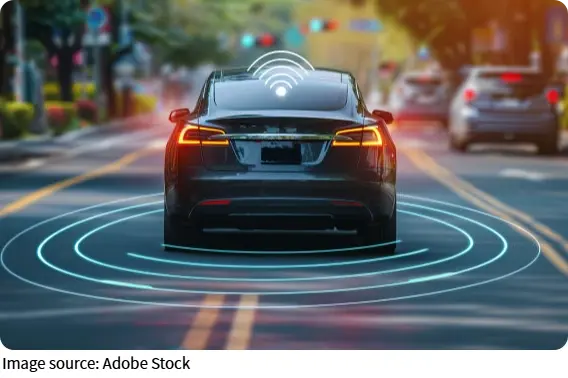
Another area where technological advancements and consumer demand intersect is the growing importance of connectivity in cars. In-car technology has evolved rapidly, with consumers now expecting their vehicles to be as connected as their smartphones. From infotainment systems to real-time traffic updates, the demand for seamless digital experiences while driving is stronger than ever.
The automotive industry has responded by integrating advanced connectivity features such as smartphone integration platforms and over-the-air software updates. These innovations allow drivers to access a wide range of services directly from their dashboards, making the driving experience more enjoyable and efficient. Moreover, connectivity also plays a critical role in the development of autonomous vehicles, as self-driving cars rely heavily on real-time data sharing and communication between vehicles and infrastructure.
As consumers demand more integrated digital experiences, automakers are also working to improve the cybersecurity of their vehicles. With more data being collected and shared, ensuring that vehicles remain secure from cyber threats is becoming increasingly important. The push for greater connectivity has created new opportunities for automakers to develop services that extend beyond just transportation, such as in-car payments, vehicle health monitoring, and enhanced navigation.
The Shift Toward Sustainability: Eco-Friendly Technologies
Sustainability is another major driver of innovation in the automotive industry. As the demand for eco-friendly vehicles grows, automakers are investing in cleaner technologies like hybrid cars, hydrogen fuel cells, and sustainable materials to reduce the environmental impact of car manufacturing and driving.
Hybrid vehicles, which combine an internal combustion engine with an electric motor, have become a popular choice for consumers who want the benefits of electric driving without sacrificing range or performance. Companies like Toyota and Honda have been pioneers in hybrid technology, with models like the Prius leading the charge.
Additionally, manufacturers are looking at ways to reduce the carbon footprint of their production processes by using renewable energy and sustainable materials in vehicle manufacturing. This not only meets consumer demand for greener cars but also aligns with the broader global push for sustainability in all industries.
Looking Ahead: An Industry in Flux
As we look to the future, it's clear that the global automotive industry is in the midst of an unprecedented transformation. The relationship between technological innovation and consumer demand will continue to shape the market in the years to come. From electric and autonomous vehicles to digital experiences and sustainable practices, automakers are pushing the boundaries of what's possible, while consumers are leading the charge with their evolving expectations.
What's next? As technological advances continue to break new ground, the key to success for automakers will be their ability to adapt to the ever-changing demands of the market. For consumers, this means an exciting future filled with smarter, greener, and more connected vehicles. The global automotive market is driving forward, and technology and consumer demand are at the wheel.