Mastering City Traffic
Mason O'Donnell
| 09-12-2025
 · Auto Team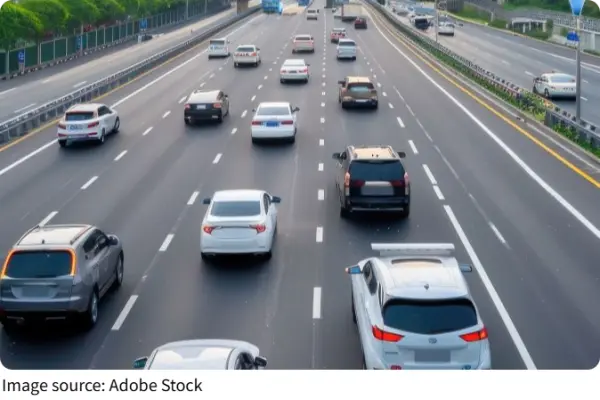
You're late for a meeting, the sun is glaring through the windshield, and the brake lights ahead stretch endlessly.
Few things test patience like crawling through congested city streets. But with the right mindset and techniques, you can handle heavy traffic without letting stress take the wheel.
Understanding the Nature of Congestion
City traffic jams aren't just about too many cars—they're shaped by stoplights, construction, delivery trucks, and the unpredictable behavior of drivers and pedestrians. Once you accept that delays are inevitable, you stop seeing every slowdown as a personal obstacle. Instead, you can focus on what's within your control: how you respond.
Smart Habits for Stress-Free Driving
Simple strategies to stop road rage before it takes control!
Smart habits for driving near bikes and pedestrians!
How Smart Cars Are Turning Our Rides into Mobile Living Rooms for Work, Play, and Fun—You’ll Never Drive the Same Again!
Your Car Might Soon Decide Who Lives or Dies—Are the Laws Ready for That?
Simple steps to protect your car’s electrical system from aging.
Discover the upcoming models that will shake up the market with style, tech and power
There are practical strategies that make navigating congested areas safer and smoother.
Keep a safe following distance: Tailgating doesn't get you there faster. Leaving space allows you to brake smoothly and reduces the risk of fender-benders.
Anticipate traffic flow: Look several cars ahead, not just at the bumper in front of you. Spotting brake lights early gives you more time to react calmly.
Avoid unnecessary lane changes: Constantly weaving rarely saves time but does raise your stress. Pick the lane that moves steadily and stick with it.
These small adjustments not only keep you safer but also lower your frustration levels.
Using Technology Wisely
Modern tools can help if you know how to use them without distraction.
Navigation apps: Real-time traffic updates suggest alternate routes. But remember, so many drivers follow the same suggestions that side streets can get clogged, too. Treat reroutes as options, not magic solutions.
Hands-free controls: Use voice commands for music or calls to avoid fumbling with your phone in stop-and-go traffic.
Cruise features: Some cars now offer adaptive cruise control that maintains a steady distance automatically—especially useful in long stretches of slow-moving traffic.
Technology can lighten the burden, but it works best when paired with alert, mindful driving.
Managing Your Mindset
Traffic may be out of your control, but your mood isn't.
Reframe delays: Instead of viewing congestion as wasted time, treat it as a chance to catch up on a podcast or audiobook.
Breathe intentionally: Slow breathing helps calm nerves when irritation builds.
Set realistic expectations: If you know rush hour doubles your commute, accept it and leave earlier. Fighting reality only fuels stress.
A calmer mindset not only makes the ride more bearable but also keeps you sharper when quick decisions are needed.
Planning Ahead Pays Off
The best way to handle gridlock is often to avoid it.
Check traffic reports before leaving: A five-minute glance can help you adjust your departure time or route.
Build flexibility into your schedule: Aim to arrive early rather than cutting it close. The buffer reduces stress if delays happen.
Combine errands: Instead of multiple short trips through crowded areas, plan one longer route that covers everything.
Preparation can't eliminate congestion, but it makes it far less overwhelming.
The Takeaway
Driving through city congestion will always be a challenge, but it doesn't have to ruin your day. Safe habits, smart use of technology, and a calmer mindset can transform gridlock into manageable—sometimes even productive—time.

The next time you find yourself staring at a sea of brake lights, resist the urge to honk or weave through lanes. Take a breath, turn up that podcast you've been meaning to finish, and remind yourself: the journey is part of your day, too. How you choose to handle it sets the tone for everything that follows.