Keep Cool Behind the Wheel

Ravish Kumar
| 09-12-2025
 · Auto Team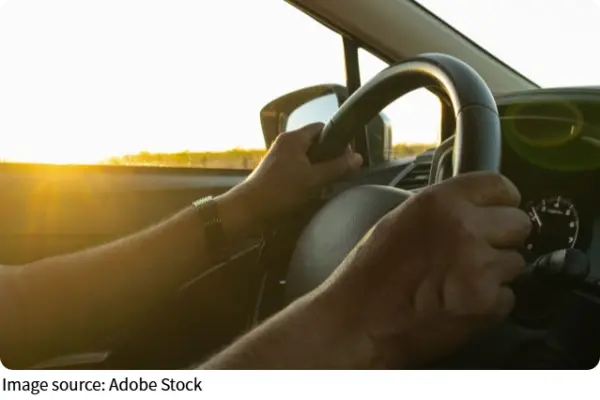
You're cruising along, music on low, when suddenly another car cuts you off. Your heart rate spikes, hands grip the wheel tighter, and a rush of anger rises. We've all felt that surge—it's called road rage.
But while the emotion is normal, how you deal with it can mean the difference between arriving safely and making a dangerous mistake.
Why Road Rage Happens
Driving is one of the few activities where we're often surrounded by strangers making unpredictable moves, and yet we feel personally affected by them. A late lane change, tailgating, or even a slow driver in the fast lane can feel like a personal insult. The truth is, most of the time it's not about you—it's about someone else's stress, distraction, or bad habits.
Smart habits for driving near bikes and pedestrians!
How Smart Cars Are Turning Our Rides into Mobile Living Rooms for Work, Play, and Fun—You’ll Never Drive the Same Again!
Your Car Might Soon Decide Who Lives or Dies—Are the Laws Ready for That?
Simple steps to protect your car’s electrical system from aging.
Discover the upcoming models that will shake up the market with style, tech and power
Marketing strategies that appeal to younger riders.
Understanding that road rage is a reaction to perceived threats or disrespect is the first step. Once you realize it's more about psychology than traffic, you can start to handle it better.
Recognizing the Warning Signs
Like a kettle starting to boil, road rage builds in stages. If you catch it early, you can turn the heat down. Watch for signs such as:
1. Tight grip on the wheel or leaning forward aggressively.
2. Shouting at other drivers even though they can't hear you.
3. Fantasizing about "teaching them a lesson."
These are cues that you need to step back before emotions spill into actions.
Practical Ways to Stay Calm
When anger hits, having go-to strategies helps you regain control.
1. Breathe deeply: A few slow breaths can calm your nervous system and reset your focus.
2. Change perspective: Ask yourself if you'll even remember this moment tomorrow. Chances are, you won't.
3. Use music wisely: Play calming tracks or a podcast that absorbs your attention instead of fueling frustration.
These simple shifts don't eliminate the bad behavior of others, but they protect you from making things worse.
Setting Yourself Up for Success
A lot of road rage prevention starts before you even leave the driveway.
1. Plan extra time: Running late amplifies stress. Give yourself a buffer so small delays don't feel catastrophic.
2. Rest well: Driving tired makes you more irritable and less patient.
3. Stay off the phone: Even hands-free calls can distract you and make small annoyances feel bigger.
By reducing stressors in your control, you're less likely to react explosively to those out of your control.
Dealing with Aggressive Drivers
Sometimes you're not the one boiling over—it's the car next to you. If another driver shows aggression, don't take the bait.
1. Don't engage: Avoid eye contact, gestures, or retaliation. These only escalate things.
2. Give space: Let them pass, even if it hurts your pride. It's not worth the risk.
3. Know when to exit: If someone is harassing you, head for a public place like a gas station or call for help.
Remember, your safety matters more than proving a point.
The Bigger Picture
Driving is stressful, but it's also one of the most common things we do. Imagine if everyone handled road rage just a little better: fewer honks, fewer aggressive swerves, and safer roads for everyone. It starts with individuals choosing calm over conflict.
Think about the last time you arrived somewhere angry from traffic. Did that anger improve your day? Probably not. Choosing patience isn't about being weak—it's about being wise. It keeps you in control, protects others, and makes the journey less draining.
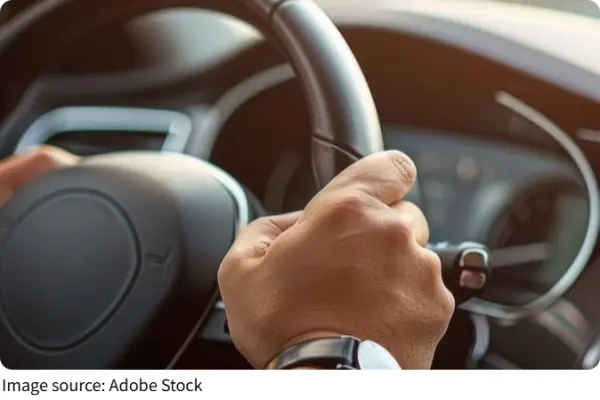
Next time another driver pushes your buttons, take a breath, ease your grip on the wheel, and remind yourself: your goal is to arrive safely. The calmer you drive, the smoother the road becomes—for you and everyone else.