Mangroves of Farasan

Pankaj Singh
| 28-02-2026
 · Travel Team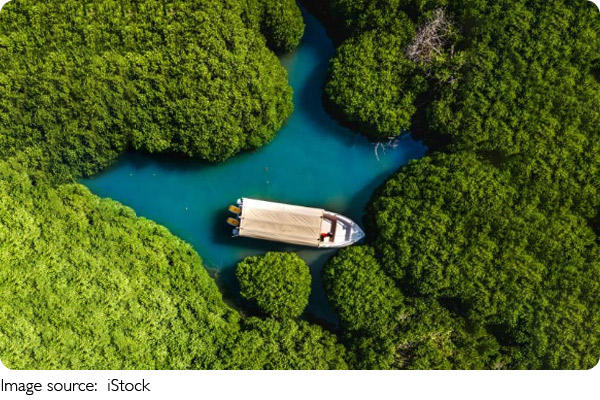
Stepping onto Farasan Island, the first thing that strikes you is the quiet, rhythmic lapping of water against dense, tangled roots. The mangrove forest stretches along the shore, a green maze of aerial roots and shimmering leaves reflecting sunlight.
Walking here, you feel like you've entered a living ecosystem, where every ripple and birdcall tells a story. It's not just a visual delight—it's a window into the delicate balance between land and sea.
Understanding Mangrove Ecosystems
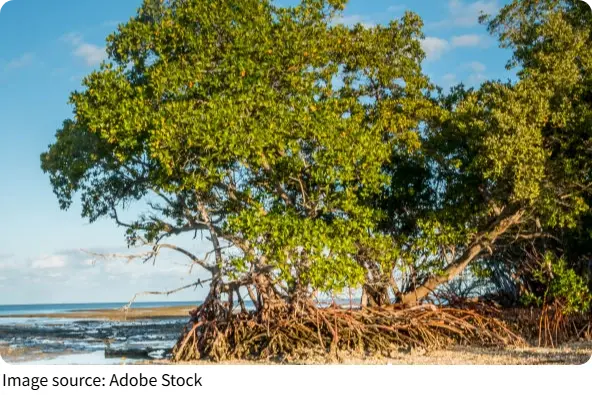
Mangroves are remarkable plants that thrive in salty, tidal waters. On Farasan Island, their aerial roots rise above the mud, absorbing oxygen directly from the air. This structure not only stabilizes the shoreline but also provides habitats for young fish and other aquatic life.
5 real highways where driving feels closer to sailing.
A quiet lakeside stop where timing matters more than plans.
Discover the Vibrant Streets of Mong Kok, in Hong Kong, China: A Shopper’s Paradise
Ultimate Croatia Travel Guide — Sunrise at Golden Horn Beach + Practical Costs, Hotels, Food & Tips You Need Before You Go!
Unlock the Secrets of Praia de Benagil: Your Complete Guide to Tours, Prices, Accommodation, Dining, and Best Times to Visit!
We Explored Hudson Beach, Florida — A Hidden Coastal Community with Canals, Relaxed Vibes, and Practical Travel Tips!
What to observe:
Roots forming natural bridges over the water.
Leaves that store water and resist salinity.
Seedlings dropping straight into mud, ready to grow.
For visitors, walking along designated trails allows a closer look without harming the ecosystem. Bring waterproof shoes, as the mud can be soft and slippery. Early morning visits reveal small fish and shell-dwellers that are hidden during high tide.
Wildlife Encounters
The mangroves host a variety of wildlife. Birds like herons and kingfishers hunt along the shallow waters, while mudflats provide shelter for shell-dwellers and shrimps. Observing juvenile fish swimming around the roots demonstrates the forest's role as a nursery.
Tips for wildlife spotting:
Bring binoculars for distant birds.
Check shallow waters during low tide.
Keep a respectful distance from nesting areas.
An actionable example: photograph reflections of the roots and birds in calm water for stunning images without disturbing wildlife. A quiet approach ensures animals remain undisturbed and your experience more authentic.
Environmental Importance
Mangroves are essential for coastal protection. They prevent erosion by trapping sediments and absorb carbon, helping mitigate climate change. On Farasan Island, they safeguard local communities while maintaining biodiversity.
Ways to engage:
Join eco-tours to learn about ecological functions.
Support conservation efforts through donations or volunteering.
Observe without touching roots or seedlings.
These steps help preserve the delicate balance that has existed here for centuries. By visiting responsibly, you contribute to ongoing conservation efforts.
Experiencing the Mangroves
Exploration is best done on foot along established trails or by small boat tours that navigate through waterways without disturbing the forest floor. Tides influence the experience: low tide exposes mudflats and roots, while high tide highlights water reflections.
Practical tips:
Wear light, waterproof footwear.
Carry a hat and sunscreen for sun exposure.
Avoid stepping on seedlings to preserve growth.
Estimated costs:
Boat tour: $20–$35 per person for 1–2 hours.
Guided eco-tour: $15–$25 per person.
Transportation from nearby town: $10–$20 round trip by ferry or taxi.
Meals: small local cafés cost around $5–$10 per person.
With careful planning, a day trip can be enjoyable and affordable, giving visitors insight into the forest without overspending. Combining a boat tour with a guided walk is a great way to experience both aquatic and terrestrial aspects of the mangroves.
Where to Stay Near Farasan Island?
The text mentions that a day trip is affordable and enjoyable, but to truly experience the mangroves at their most magical moments (like sunrise), staying overnight is highly recommended. Options range from rustic camping to comfortable resorts.
1. Overnight Tour with Accommodation (Most Convenient)
The simplest way to arrange a stay is through a tour package that handles the logistics.
What to expect: A 2-day trip from Jazan that includes round-trip ferry rides, visits to cultural sites (like Al Qassar Village and the Ibrahim Moftah Museum), and exploration of the mangroves .
Accommodation Options: You can choose between beach camping under the stars or a stay at a resort for more comfort .
Cost: Approximately $449 per person. This price includes transportation, museum entry, meals (seafood lunch, beach breakfast, and BBQ dinner if camping), and the accommodation .
Best for: Travelers who want a hassle-free, immersive experience that combines nature with culture.
2. Staying Independently on the Island
For more flexibility, you can arrange your own trip and stay on the island.
What to expect: The main island has accommodations, including the option to book a beachfront villa for an authentic experience with sunrise views .
Getting There: You can take the public ferry from Jazan Port, which is a free service but has limited seats, so arriving 1-2 hours early is essential . The ferry takes about 1.5–2 hours .
Local Tip: Book your accommodation in advance, as space can be limited .
Conservation and Responsibility
Mangroves are sensitive ecosystems. Litter, excessive foot traffic, and touching roots can harm both plants and animals.
Visitor responsibilities:
Carry out all trash and recyclables.
Avoid picking leaves, seeds, or shells.
Stick to marked paths or guided tours.
Respecting these rules ensures that Farasan Island's mangroves remain a thriving habitat for future visitors and generations of wildlife.
Visiting Farasan Island's mangrove forest is more than sightseeing—it's a lesson in interconnection. Knowing the small costs involved, from transportation to boat tours, helps you plan a responsible and enriching visit. Every root, every bird, and every reflection in the water tells a story of resilience, making it a journey worth remembering.