Spoon Lake: Quiet Awaits

Naveen Kumar
| 06-03-2026
 · Travel Team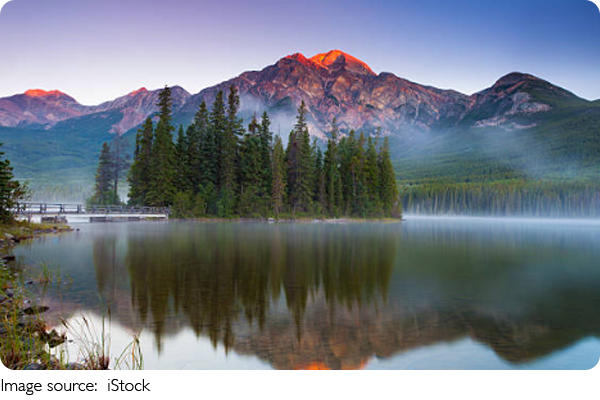
The road thins out as you get closer, and the trees start closing in from both sides. There's no dramatic sign announcing Spoon Lake—just a small turnoff, a patch of gravel, and water appearing through the branches.
That's usually the first clue you're in the right place. Spoon Lake, in Illinois, doesn't try to impress you all at once. It works slowly, and if you meet it on the right terms, it stays with you longer than expected. Spoon Lake sits within a forested region known for clean water and low-key outdoor access. It's not built around resorts or packed schedules.
The core idea here is simple: this lake rewards travelers who plan for calm rather than activity overload. Everything—from when you arrive to where you stand along the shore—shapes the experience.
Discover the Vibrant Streets of Mong Kok, in Hong Kong, China: A Shopper’s Paradise
Ultimate Croatia Travel Guide — Sunrise at Golden Horn Beach + Practical Costs, Hotels, Food & Tips You Need Before You Go!
Unlock the Secrets of Praia de Benagil: Your Complete Guide to Tours, Prices, Accommodation, Dining, and Best Times to Visit!
We Explored Hudson Beach, Florida — A Hidden Coastal Community with Canals, Relaxed Vibes, and Practical Travel Tips!
Quiet Atlantic beaches without the summer chaos
Explore endless dunes, vivid landscapes, and hidden gems in Namibia's desert!
What Spoon Lake Is Really Like?
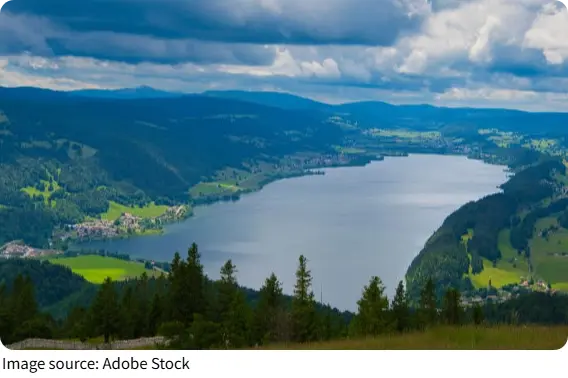
Spoon Lake is medium-sized, surrounded by dense forest, with gently sloping shoreline rather than dramatic cliffs. The water clarity is one of its strongest features, especially in late spring and early summer.
Water clarity: High on calm days
Shoreline: Forested, lightly developed
Overall feel: Quiet, practical, local
You won't find boardwalks or souvenir shops. What you will find are simple access points, natural sounds, and long stretches where the only movement comes from wind on the water.
Getting There Without Guesswork
Most visitors reach Spoon Lake by car. Public transport doesn't run directly to the lake, which keeps visitor numbers manageable.
Best transport option: Private car
Final road type: Paved, then short gravel section
Parking: Small lakeside lot
Parking fee: Free
Distance from nearby towns: 20–30 minutes by car
Local tip: Download offline maps before you go. Mobile signal drops quickly once you leave main roads.
When to Visit for the Best Conditions
Spoon Lake changes noticeably depending on time of day and season. The biggest difference comes from wind, not crowds.
Best time of day: 7:00–10:00 a.m.
Best season: Late May to early September
Early mornings bring glassy water and cooler air. By midday, wind often picks up, breaking the surface and making the lake feel busier than it actually is.
Local tip: If you arrive after noon, head to the eastern shoreline. Trees there block wind and keep the water calmer.
Access, Hours, and Costs
Spoon Lake is open-access, without formal gates or ticket booths. That freedom comes with responsibility.
Entrance fee: Free
Opening hours: Sunrise to sunset
Facilities: Basic restrooms near main access point
There are no staffed offices on-site. Visitors are expected to follow posted guidelines and leave the area as they found it.
Local tip: Bring everything you need with you. The nearest stores are a drive away, and there are no vendors at the lake.
How to Spend Half a Day Here
Spoon Lake works best when you don't try to do too much. A simple plan often leads to the best experience.
A balanced half-day plan:
1. Arrive early and walk the shoreline trail
2. Sit near the water for at least 20 minutes before moving
3. Explore one side of the lake instead of circling it
Walking slowly along the shore reveals small clearings and quiet spots that don't show up on maps. These are the places locals use, and they're rarely marked.
The Core Insight: Stillness Is the Main Attraction
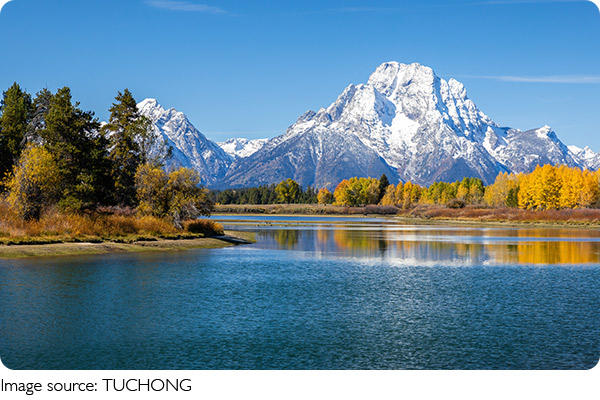
Many lakes compete for attention with activities. Spoon Lake doesn't. Its value comes from how little it asks of you. When people say the lake feels “peaceful,” they're really describing the absence of pressure—to see more, move faster, or document everything.
Ways to lean into that:
1. Leave your phone in your bag for the first 30 minutes
2. Sit instead of walking the entire time
3. Watch how light changes on the water rather than chasing views
This approach turns a simple visit into something grounding. You notice temperature shifts, subtle sounds, and how your pace naturally slows.
Common Mistakes to Avoid
Because Spoon Lake looks easy, it's easy to misread.
Things that reduce the experience:
1. Arriving late in the afternoon and rushing
2. Expecting full services or rentals
3. Treating it as a quick stop instead of a stay
Plan to stay longer than you think you need. That's when the lake starts to make sense.
Where to Stay Near Spoon Lake
Based on the description, Spoon Lake is intentionally undeveloped. You won't find hotels or resorts on the water. Staying nearby means choosing accommodations that match the "low-key" and "practical" feel of the area.
1. Rustic Lakeside Camping (Closest to the Experience)
Given the remote feel and free, open-access nature of the lake, primitive camping is the most immersive option.
What to expect: Dispersed campsites or small clearings along the less-trafficked sides of the lake. You are likely packing in and packing out everything, including water.
Best for: Travelers who want to wake up to the glassy water conditions at 7:00 a.m. and experience the forest sounds at night.
Local Tip: If camping is permitted, set up on the eastern shoreline. As the text mentions, this blocks the wind and will give you the calmest morning on the water.
2. Cabins and Vacation Rentals (Short Drive Away)
Since there are "no vendors at the lake" and the nearest stores are a drive away, the surrounding small towns likely have cabins or private rentals.
What to expect: A 20–30 minute drive to the lake. These rentals usually offer kitchens (allowing you to bring food, since there are none at the lake) and amenities like Wi-Fi or hot water.
Best for: Families or couples who want a peaceful day at the lake but prefer a proper bed and walls at night.
3. Nearby Small Towns (20–30 Minutes Out)
The text mentions the lake is 20–30 minutes from nearby towns. These towns likely have the basic motels or inns typical of rural Illinois.
What to expect: Simple, affordable lodging. Access to gas stations and the "nearest stores" mentioned in the text.
Best for: Travelers who plan to arrive late or want to ensure they have cell service and amenities after the sun goes down.

Where to Eat Near Spoon Lake
The text is very clear: there are no vendors, no souvenir shops, and no rentals. This means you are the caterer.
1. Picnicking at the Lake (The Best Option)
The layout of the lake—with "small clearings and quiet spots"—makes it ideal for a picnic. Since the core idea is "stillness," eating by the water is a way to ground yourself.
What to do: Pack a cooler with sandwiches, fruit, and plenty of water. Find one of those clearings that "don't show up on maps" and sit for that recommended 20 minutes while you eat.
The "Local Tip" in action: Since the nearest stores are a drive away, you must pack your lunch before you lose cell signal on the final approach.
2. Self-Catering at Your Stay
If you are staying at a vacation rental or campground, you will need to handle your own meals.
Breakfast: Essential for those early morning arrivals. If camping, a simple stove setup is key.
Dinner: Since the lake closes at sunset, you will drive 20–30 minutes back toward town or your lodging for dinner. This is a good time to reflect on that "quiet exit" the lake provides.
3. Small-Town Diners and Cafés
The "nearby towns" located 20–30 minutes away are your only source of prepared food.
What to expect: Given the "practical, local" vibe of the area, expect no-frills diners, cafes. These are places where the food is hearty and the focus is on function over flair.
Best for: Dinner after a day at the lake, or grabbing a hot breakfast before you head in for the day.
As you pack up and head back toward the road, the forest closes in again, and the lake disappears sooner than you expect. That quiet exit feels intentional, like the place is giving you space to carry the calm with you. Before you plan your next trip, ask yourself one simple question: when was the last time you went somewhere that didn't ask you to do anything at all? Spoon Lake is waiting for travelers who are ready to answer that with time instead of effort.