5 Must-Have Eid Dishes!

Declan Kennedy
| 19-03-2026
 · Travel Team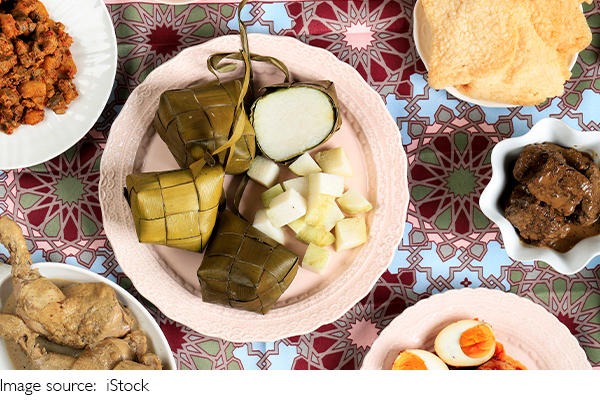
In many parts of Southeast Asia, the arrival of Eid al-Fitr is marked not only by family gatherings but also by a table filled with dishes that carry generations of culinary memory.
These foods are more than festive meals; they represent regional agriculture, historical trade routes, and cooking traditions refined over centuries. The flavors are bold, the techniques often time-intensive, and each dish tells a story about local ingredients and cultural heritage.
1. Ketupat: The Iconic Rice Cake Wrapped in Coconut Leaves
One of the most recognizable foods during the holiday season is ketupat, a compressed rice cake boiled inside a woven pouch made from young coconut leaves. While it may look simple, preparing it requires skill. The diamond-shaped casing is hand-woven using long strands of palm leaf, forming a tight container that allows rice grains to expand during hours of boiling.
Small moments of insight could reveal bigger truths today!
Dare to Cross? Experience Northern Ireland’s Carrick-A-Rede Rope Bridge 30 Meters Above Waves with Stunning Coastal Views!
Practical advice for seeing Switzerland’s most iconic peak up close.
Scenic Dolomite lake with outdoor adventures, easy access, and year‑round beauty.
Ultimate Plitvice Lakes Travel Guide: Tickets, Hours, Transport Costs, Where to Stay & Eat for Your Best Croatia Nature Experience!
Discover Reynisfjara: Iceland’s Black Sand Beach with Stunning Basalt Columns, Secret Caves, and Legendary Sea Stacks!
The result is a dense yet tender rice cake with a subtle aroma from the leaf wrapping. Unlike ordinary steamed rice, ketupat develops a slightly firmer texture that holds together when sliced. This makes it perfect for soaking up rich gravies and sauces. Culinary historians note that ketupat’s popularity spread widely across maritime Southeast Asia through coastal trade networks centuries ago.
Its durability and portability made it practical for large gatherings. Today, families typically cut the rice cake into cubes and serve it alongside savory dishes with thick sauces. Beyond its practicality, ketupat visually defines the festive table. Stacks of green woven pouches often hang in kitchens during preparation, turning the cooking process itself into part of the celebration.
2. Opor Ayam: Slow-Simmered Chicken in Coconut Milk
A classic companion to ketupat is opor ayam, a fragrant chicken stew simmered in coconut milk and a complex blend of spices. The dish originates from Java and reflects the region’s long-standing tradition of coconut-based cooking. The preparation begins with sautéing aromatic ingredients such as garlic, shallots, candlenuts, galangal, lemongrass, and coriander.
What makes opor ayam distinctive is its balance of flavors. The sauce is creamy yet light, with earthy and slightly sweet notes. Unlike fiery curries found elsewhere in Asia, this dish emphasizes warmth and subtle fragrance rather than intense heat. Because the stew cooks slowly, the spices fully the chicken. When served with ketupat, the rice cake absorbs the golden sauce, creating a rich combination that many families consider essential during the holiday meal.
3. Rendang: The Intensely Spiced Slow-Cooked
Another staple that frequently graces large celebrations is rendang, a deeply flavored meat dish from West Sumatra. Often hailed internationally as one of the world’s most complex stews, rendang demands patience and precise technique.
Chunks of meat are simmered in coconut milk with a mixture of chili, garlic, ginger, lemongrass, and kaffir lime leaves. The mixture cooks for hours over low heat, allowing the liquid to gradually evaporate. As the sauce thickens, it caramelizes around the meat, creating a dark, concentrated coating packed with flavor.
The extended cooking process also serves a practical purpose. Historically, rendang could last for days without refrigeration because the moisture is nearly eliminated. This made it ideal for large gatherings or travel. The final dish is intensely aromatic, slightly smoky, and layered with spice. When placed on a festive table, rendang often becomes one of the most anticipated items because of its bold taste and luxurious texture.
4. Sambal Goreng Ati: A Spicy Mix of Liver and Potatoes
For those who enjoy stronger flavors, sambal goreng ati is a must-have dish during the celebration. The name refers to a spicy stir-fried preparation that combines diced liver with potatoes and chili-based seasoning. The liver is first lightly boiled to reduce its strong aroma, then cut into small cubes and stir-fried with fried potato chunks.
The key component is the sambal sauce made from ground chilies, shallots, garlic, shrimp paste, and palm sugar. Coconut milk is sometimes added to soften the heat and give the sauce a creamy finish. The result is a dish that delivers multiple textures: soft liver, crisp-edged potatoes, and thick spicy sauce. It provides a sharper flavor contrast to the milder dishes on the table, making it a strategic addition to the feast.
5. Nastar: Pineapple-Filled Cookies for Sweet Moments
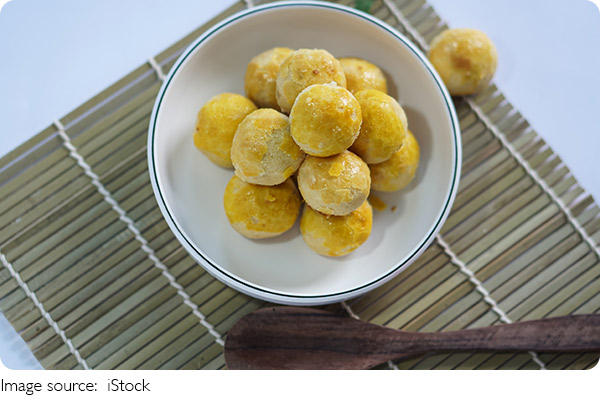
After plates of savory dishes, many households bring out trays of nastar, small buttery cookies filled with pineapple jam. Unlike the main dishes that require hours of cooking, nastar represents the baking tradition associated with festive gatherings. The cookie dough is typically made from butter, egg yolks, flour, and powdered sugar, producing a delicate crumb that melts easily in the mouth. Inside, a thick pineapple filling is cooked slowly until the fruit becomes jam-like with a slightly tangy sweetness.
The cookies are usually brushed with egg wash before baking, giving them a glossy golden surface. Their bite-sized shape makes them perfect for sharing while guests chat and relax after the main meal. Although simple compared to the elaborate savory dishes, nastar has become a signature treat that signals the joyful end of the feast.
A Celebration Told Through Food
The dishes that appear during the Eid al-Fitr holiday reflect centuries of culinary exchange, agricultural traditions, and family heritage. From the woven artistry of ketupat to the patient simmering of rendang, each recipe requires care, time, and knowledge passed through generations.
When these foods come together on a single table, they create more than just a meal—they build a sensory memory of aromas, textures, and flavors that define the celebration itself. And for many families, the anticipation of tasting these beloved dishes again is what truly makes the holiday feel complete.