Blueberry Harvest

Mason O'Donnell
| 13-03-2026
 · Food Team
Blueberries are more than just a delicious snack—they're packed with nutrients and a joy to grow at home. Watching tiny green buds transform into plump, sweet berries is one of the most rewarding gardening experiences.
Yet, to enjoy a generous harvest, careful planning and consistent care are essential.
Choosing the Right Site
Location makes a huge difference in blueberry growth and yield.
1. Sunlight – Blueberries thrive in full sun, ideally six to eight hours per day. Morning sunlight is especially beneficial, warming the soil early and reducing disease risk.
2. Soil type – They prefer acidic soil with a pH between 4.5 and 5.5. If your soil is neutral, amend it with sphagnum peat moss or elemental sulfur to lower the pH.
Delicious, healthy meals ready in under 30 minutes for busy nights.
How to Make Creamy, Flavorful Carrot Pudding That Melts in Your Mouth
Stop struggling with hard fruit! Learn fast, science-backed tricks for sweet, juicy kiwis.
Easy homemade juices and smoothies bursting with natural flavor.
Fresh, vibrant, and easy-to-make berry drinks for every season
Maximize flavor and nutrition with seasonal fruit timing.
3. Drainage – Well-draining soil is crucial. Waterlogged roots can rot, so avoid low spots where water pools. Raised beds or containers are excellent options for controlling soil conditions.
Example: Planting blueberries in a raised garden bed filled with a mix of peat moss, compost, and sand ensures optimal acidity and drainage.
Selecting Healthy Plants
Starting with strong, disease-free plants sets the stage for high yields.
1. Varieties – Choose varieties suited to your climate. Some produce early-season berries, others late-season, so selecting a mix extends your harvest.
2. Size and root health – Look for sturdy stems and a healthy root system. Avoid plants with wilted leaves or blackened roots.
3. Container vs. in-ground – Containers allow better control over soil pH and moisture, especially in areas with poor native soil.
Example: Buying two to three different cultivars increases cross-pollination, improving fruit set and berry size.
Planting Techniques
Proper planting ensures strong root development and long-term productivity.
1. Spacing – Space bushes about 3–4 feet apart to allow air circulation and light access, which reduces fungal problems.
2. Depth – Plant slightly deeper than the root ball, covering roots with soil while keeping the crown just above the soil line.
3. Mulching – Apply 2–4 inches of mulch, such as pine bark or wood chips, to retain moisture, regulate temperature, and suppress weeds.
Example: A layer of shredded pine bark around each bush can improve soil acidity while conserving water.
Watering and Feeding
Consistent care is key to maximizing blueberry production.
1. Watering – Blueberries have shallow roots, so keep soil consistently moist, especially during flowering and fruiting. Avoid soggy conditions.
2. Fertilizing – Use fertilizers designed for acid-loving plants. Apply in early spring and again after harvest for best growth. Avoid over-fertilizing, which can burn roots.
3. Seasonal care – Adjust water and fertilizer during hot summers or drought conditions. Containers may need more frequent watering.
Example: Drip irrigation systems deliver water directly to the root zone, ensuring deep, even moisture without wetting foliage.
Pruning for Bigger Berries
Pruning shapes bushes and improves both fruit size and quality.
1. Remove old wood – Cut out branches older than five years to stimulate new growth.
2. Thin crowded stems – Reduces disease and allows sunlight to reach interior branches.
3. Post-harvest pruning – Prune lightly after harvest to prepare for the next season without stressing the plant.
Example: Removing smaller, weaker stems in early spring encourages larger berries on the remaining branches.
Protecting from Pests and Wildlife
Blueberries attract birds, insects, and sometimes small mammals, all of which can reduce yields.
1. Netting – Cover bushes with bird netting during fruiting to prevent birds from eating berries.
2. Natural pest control – Encourage beneficial insects and remove pests by hand when possible.
3. Disease monitoring – Check leaves and stems regularly for fungal or bacterial infections and treat promptly with safe methods.
Example: Using lightweight garden netting over a cluster of bushes during ripening prevents birds from pecking at the berries.
Harvesting and Beyond
Timely harvesting ensures sweet, firm berries and encourages more production.
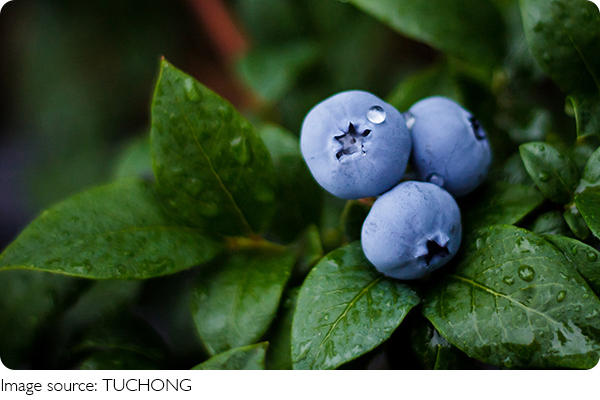
1. Pick when fully ripe – Blueberries should be deep blue all over, with a slight powdery bloom. Picking too early reduces sweetness.
2. Harvest regularly – Check bushes every few days during peak season to avoid overripening.
3. Care after harvest – Remove fallen berries and keep soil clean to prevent disease and pests.
Example: Using a shallow container to gently collect berries without crushing them preserves quality for fresh eating or freezing.
Growing blueberries is a journey of patience, attention, and care. By selecting the right location, planting thoughtfully, watering and feeding correctly, pruning strategically, and protecting plants from pests, you can enjoy a bountiful harvest of juicy, flavorful berries year after year. Each season's reward makes the effort worthwhile, turning a small garden space into a productive, berry-filled oasis.