Wildlife Protection

Liam Reilly
| 13-03-2026
 · Animal Team
It's easy to overlook the wildlife in our own backyards, but nature is constantly changing, and so are the creatures we share our environment with. Local wildlife plays an essential role in maintaining the balance of ecosystems, yet many species are facing rapid decline due to habitat loss, pollution, and climate change.
By stepping up to protect local wildlife, you can make a lasting impact on the health of your community and the planet.
But how do you get started? It's not as complicated as it may seem.
1. Get Educated About Local Species
Before diving into wildlife protection, it's crucial to learn about the species in your area. Understanding the types of animals, birds, and plants that call your region home will help you identify the challenges they face and how you can contribute.
Discover What Your Cat Is Really Saying! Learn How to Read Their Secret Body Language Today!
Discover the Endearing Traits and Survival Challenges of This Elusive Forest Dweller.
Why Do So Many People Love Corgis? 8 Adorable Traits That Make These Short-Legged Dogs Impossible to Resist!
Why These Elegant Birds Are Built for Water, Flight, and Fierce Family Care
How Giraffes Sleep So Little and Still Stay Safe in the Wild
Discover how simple moments with pets can melt daily stress.
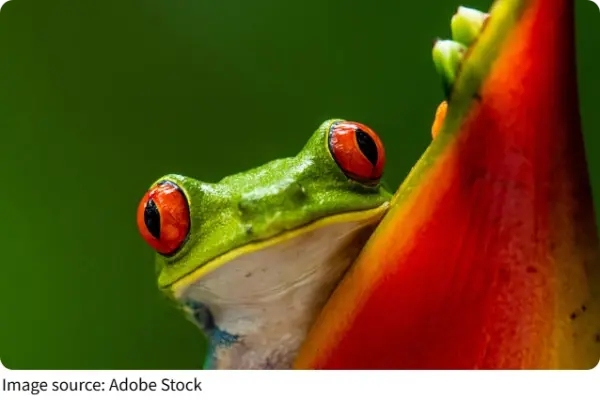
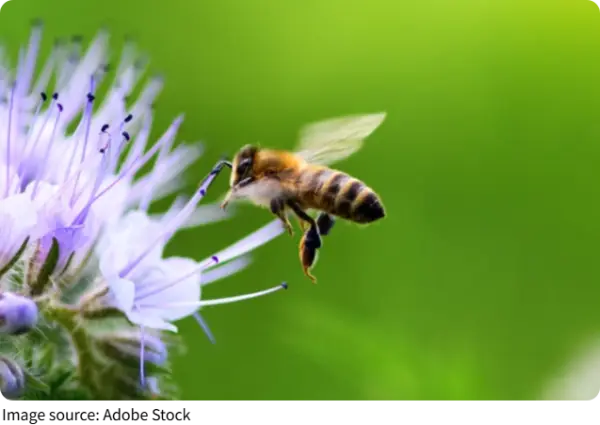
Example: Many areas have specific species that need extra attention, like pollinators such as bees or endangered species like certain amphibians. You can visit local nature centers, attend community talks, or even read up on your area's biodiversity online.
Actionable Tip: Start by identifying a few common species in your area and research how you can help them. Do they need more habitat space? Are they threatened by invasive species? Understanding their needs is your first step.
2. Support Wildlife Conservation Organizations
One of the most effective ways to get involved is by supporting groups already doing the hard work. Many organizations focus on protecting local wildlife, and they rely on volunteers and donations to fund their efforts. Whether it's a national nonprofit or a smaller local group, these organizations are often looking for people who are passionate about nature.
Example: Look for wildlife groups that organize clean-up events or restoration projects, such as planting native plants or clearing invasive species.
Actionable Tip: Volunteer with one of these organizations, or donate to their causes. By lending a hand or contributing financially, you can make a direct impact.
3. Create a Wildlife-Friendly Space at Home
You don't need to work on a large scale to help wildlife. Making small changes in your own space can create a sanctuary for local animals. By planting native plants in your garden or installing bird feeders, you provide important resources for wildlife right in your backyard.
Example: Planting native flowers, shrubs, and trees will attract pollinators and provide shelter for small mammals, birds, and insects. Also, reducing pesticide use makes the environment safer for local wildlife.
Actionable Tip: Start small. Plant a few native plants and add a water source for birds and insects. Over time, you can expand these features to benefit even more wildlife.
4. Participate in Citizen Science Projects
If you enjoy being outdoors, citizen science is a fantastic way to get involved. Many wildlife protection organizations have programs where volunteers can help track species, report sightings, and collect data. Your observations might help researchers learn more about local populations and their movements.
Example: The Cornell Lab of Ornithology runs the Great Backyard Bird Count, which encourages people to track the birds they see and report it. This helps scientists monitor bird populations across the country.
Actionable Tip: Find local citizen science programs or apps where you can report wildlife sightings. Your contributions can help shape important conservation strategies.
5. Advocate for Local Wildlife Protection Policies
Sometimes, the most impactful way to help wildlife is by getting involved in advocacy. Local policies about land use, conservation areas, and wildlife corridors directly affect animal populations. If you're passionate about wildlife protection, consider joining or forming campaigns that push for better policies.
Example: Many communities are now advocating for the creation of wildlife corridors that allow animals to move safely across developed areas. This is especially important for species that are at risk of becoming isolated due to human development.
Actionable Tip: Attend city council meetings, support wildlife-friendly legislation, or spread awareness of important policy issues that affect wildlife.
6. Lead by Example
Finally, one of the best ways to get involved is by simply setting a good example for others. Educating friends, family, and neighbors about the importance of protecting wildlife and creating a more sustainable environment can have a ripple effect.
Example: Share your experiences about planting native gardens, reducing waste, or supporting local wildlife organizations. The more people you can inspire, the more widespread the impact.
Actionable Tip: Host a neighborhood cleanup day, organize a local nature walk, or share your wildlife protection activities on social media. A small group effort can grow into something much larger.

Final Thoughts: Every Action Counts
Protecting local wildlife might seem like a daunting task, but each small action makes a difference. Whether you're planting native plants, volunteering, or supporting policies, your efforts contribute to the well-being of local species and ecosystems. The more involved you become, the more you realize that making a change doesn't require grand gestures—it requires consistency, awareness, and community.
By taking the first step today, you can help ensure that future generations will enjoy the same natural beauty and biodiversity that we cherish now.