Altitude-Ready Trip

Mukesh Kumar
| 04-03-2026
 · Travel Team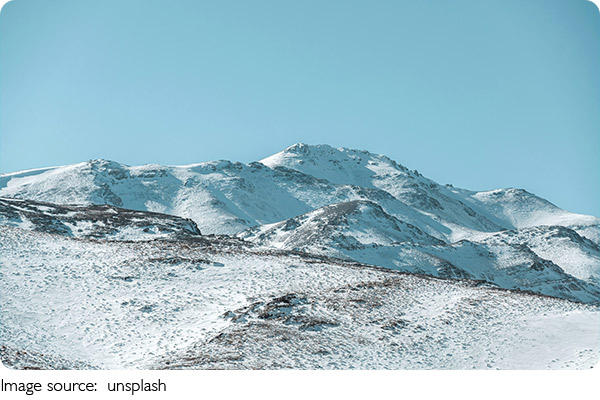
The first breath you take near a snow-covered peak feels sharper than anything at sea level. Your boots crunch against ice, the air stings your cheeks, and suddenly the photos you’ve seen online don’t feel dramatic enough.
Snow mountain travel is beautiful, but it’s also demanding. The cold is real. The altitude is real. And preparation is what separates a life-changing adventure from a miserable experience.
If you’re planning a trip to snowy mountains—whether it’s a high alpine range or a volcanic ridge—you need more than excitement. You need a plan.
1. Dress in Smart Layers
Think base, insulation, and protection from wind and moisture. Snow conditions can shift quickly when clouds roll in or wind picks up, which is why layering works better than relying on one heavy jacket.
A Practical Guide to Exploring the Scenic Moravian Countryside
Lush farms, cobbled charm, and pineapple punch—Ponta Delgada is São Miguel’s time-warp of taste and tropical beauty.
Crystal-clear waters mirror the peaks—plan the ultimate alpine escape
A Detailed Guide to Exploring Norway’s Mountainous Myrdal and Its Trails
Hidden Swiss Paradise Revealed! Swim, Hike & Relax at Lake Lungern – Complete Travel Guide With Prices & Tips!
A Complete Visitor’s Guide to Exploring the Historic Fort Above the Sea
Start with a moisture-wicking base layer. Synthetic fabrics or merino wool pull sweat away from your skin. Cotton is a bad idea—it traps moisture and makes you colder once you stop moving.
Add an insulating layer like fleece or a lightweight down jacket. This traps heat close to your body. Finish with a waterproof, windproof shell. Snow isn’t just cold—it’s wet. Once your clothes get soaked, your body temperature drops fast.
Actionable example: Lay out your full outfit at home and wear it outside on a cold evening walk for 20 minutes. If you feel sweaty after light movement, your base layer may not breathe well enough.
Don’t forget gloves, a warm hat, thermal socks, and sunglasses. Snow reflects sunlight intensely, and glare can cause eye strain in just a few hours.
2. Prepare for Altitude
Move slowly, hydrate consistently, and treat early symptoms seriously. Higher elevations mean thinner air. Above 2,500 meters (about 8,200 feet), some travelers begin to feel headaches, nausea, or unusual fatigue. That’s altitude sickness, and it can affect anyone, regardless of fitness.
Ascend gradually if possible. If your itinerary allows, spend a night at a mid-elevation stop before heading higher. Drink more water than usual. Cold air is dry, and you lose moisture through breathing. Avoid overexerting yourself on the first day. Even a short hike can feel twice as hard.
Actionable example: If you arrive at a high-altitude lodge in the afternoon, take a gentle 15-minute walk instead of a long hike. Let your body adapt before pushing further.
If symptoms worsen—such as severe headache or dizziness—the safest move is to descend. Preparation includes knowing when to stop.
3. Build Cold-Weather Endurance
Train a little, test everything, and stay honest about your limits. Snow hiking or trekking requires more energy than walking on dry ground. Each step in packed snow or icy terrain demands balance and strength.
In the weeks before your trip, add stair climbing, brisk walking, or light hiking to your routine. Strengthen your legs and improve cardiovascular endurance. Break in your boots before departure. New boots can cause blisters within the first hour of a trek. Practice walking with a loaded backpack to simulate real conditions.
Actionable example: Do one weekend practice hike wearing your full gear, including gloves and hat. You’ll quickly discover whether your backpack straps rub or your gloves are too bulky for zippers.
Physical preparation isn’t about becoming an athlete. It’s about reducing strain so you can enjoy the landscape instead of counting every step.
4. Pack Safety Essentials
Plan how you’ll navigate, what you’ll do in an emergency, and how you’ll communicate. Snow can obscure trails, and weather can change visibility in minutes. Even well-traveled routes require respect.
Carry a printed route guide and a compass, even if you rely on a satellite navigation system. Batteries drain faster in cold temperatures. Pack a small first-aid kit, headlamp, extra snacks, and an emergency blanket. Tell someone your route and expected return time.
Actionable example: Before setting out, take a photo of the trailhead information board with your phone. If signage becomes unclear later, you’ll have a reference.
If you’re exploring avalanche-prone terrain, formal training and proper equipment are essential. For beginners, staying on marked trails and hiring a certified guide adds a strong margin of safety.
5. Plan Logistics Carefully
Check conditions, build backup options, and confirm your stay can handle storms. Snow travel involves more variables than city travel.
Check weather forecasts repeatedly in the days leading up to departure. Mountain weather systems shift quickly. Confirm road conditions if you’re driving. Some mountain passes require tire chains in winter. Verify that your lodging has heating and reliable access during heavy snowfall.
Actionable example: Pack one extra day’s worth of snacks and essentials in case a storm delays transportation. Even short road closures can disrupt plans.
It’s also wise to purchase travel insurance that covers winter sports or mountain activities. Not all standard policies include this.
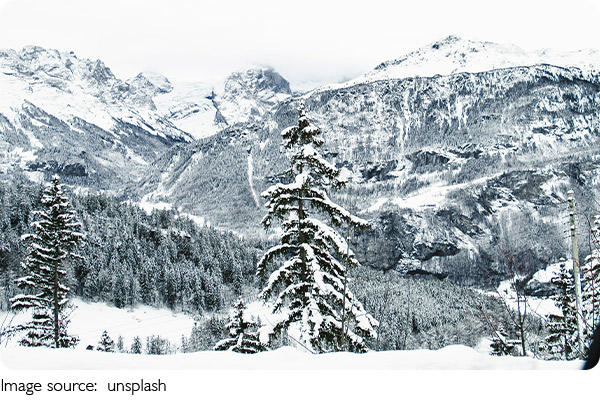
Snow mountains offer something rare—silence, scale, and a sense of clarity that’s hard to find elsewhere. Preparation doesn’t reduce spontaneity; it protects it. When you’re warm, steady on your feet, and confident in your plan, you notice more—the shimmer of frost on pine branches, the deep blue shadows across a ridge, the steady rhythm of your breath in cold air.
A snowy summit isn’t just a destination. It’s an environment that demands respect. Prepare well, move thoughtfully, and the mountain will reward you with memories that feel as crisp as that first icy breath.