Perugia’s Hidden Treasures

Caleb Ryan
| 05-03-2026
 · Travel Team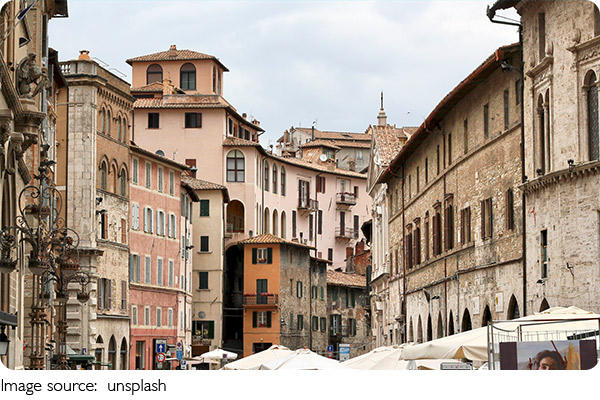
Perugia's streets hum with life in a way that blends centuries of history with modern energy.
Walking through the city feels like flipping through a living storybook, where every corner has its own tale to tell.
Cobblestone alleys lead you past medieval towers, bustling squares, and the scent of fresh pastries drifting from local bakeries. If you're planning a trip, understanding how to navigate Perugia and uncover its highlights can transform a simple visit into a fully immersive experience.
Main Attractions
1. Palazzo dei Priori – This iconic palace dominates the main square, Piazza IV Novembre. The architecture itself is a testament to Gothic design, with intricate stonework and arched windows. Inside, the National Gallery of Umbria houses Renaissance and medieval art, including works by Perugino. Entry costs around $8 for adults, and guided tours provide context to the artwork and the building's history. Arrive early in the morning to avoid crowds and enjoy quieter rooms.
Unlock Germany’s fairy-tale Alps—where turquoise lakes mirror castles and dreams ride the misty mountaintops.
Explore the lake’s vivid colors and plan a serene alpine adventure
Can one day change everything? Boise delivers bites, hikes, and culture in an unforgettable Idaho embrace.
Hidden beaches, mythic vibes, and ABBA-worthy waves—dare to find the Greek island that matches your wildest wanderlust?
Insider tips to explore Patagonia’s peaks, trails, and hidden gems.
Discover hilltop towns, scenic drives, and practical planning ideas
2. Perugia Cathedral – The Cathedral of San Lorenzo sits near the heart of the city. Its grand façade and bell tower make it a standout landmark. While entrance is free, donating a few dollars helps with preservation. Inside, notice the delicate frescoes and the ornate altarpiece, which illustrate key moments from local history and faith traditions. Photographs are permitted in most areas, so bring a camera to capture the detailed ceilings and stained-glass windows.
3. Rocca Paolina – This underground fortress provides a different perspective on Perugia's past. Built in the 16th century, it combines architectural ingenuity with historical storytelling. Walking through the dimly lit tunnels gives you a sense of the city's defensive strategies and civic tensions over the centuries. Tickets are roughly $6, and guided tours highlight hidden corners and sculptures you might otherwise miss.
Local Flavors and Markets
1. Corso Vannucci – The main street is lined with cafés, artisan shops, and bakeries. Sample local specialties like truffles, chocolates, and fresh pastries. The Perugina Chocolate Factory isn't far, offering a hands-on experience for chocolate lovers, with entry priced at about $10. Arrive mid-morning to see the confectioners at work and enjoy tastings without the crowds.
2. Mercato Coperto – This covered market is ideal for picking up fresh produce, cheeses, and handmade crafts. Vendors are eager to share tips about local ingredients, which is perfect if you plan to cook or picnic in one of the city's parks. Bargaining is uncommon, but engaging politely with sellers often leads to small samples or insights about seasonal products.
Transportation and Getting Around
1. Walking – Perugia's historic center is best explored on foot. Narrow streets, steep hills, and pedestrian-only zones make driving impractical. Comfortable shoes are a must, as the cobblestones can be uneven.
2. Funicular – The Minimetro funicular links the lower city to the upper historic center. Tickets cost about $2.50 one-way, and the ride offers scenic views of the surrounding hills and valleys. It's a quick, efficient way to reach major attractions without tiring yourself out.
3. Buses – Local buses connect Perugia with nearby towns and suburbs. A daily pass costs around $5, providing flexibility if you want to explore beyond the city walls.
Timing Your Visit
1. Best Seasons – Spring and early autumn are ideal for comfortable weather and fewer tourists. Summer can be crowded, especially in August, but early mornings or late afternoons still offer peaceful walks.
2. Festivals – Perugia hosts events throughout the year, such as the Eurochocolate festival in October. While festivals bring energy and unique experiences, plan for heavier crowds and higher accommodation prices.
3. Opening Hours – Museums and galleries often open from 9 a.m. to 6 p.m., while shops close for a midday break. Arriving when doors open ensures quieter visits and better photo opportunities.
Accommodation
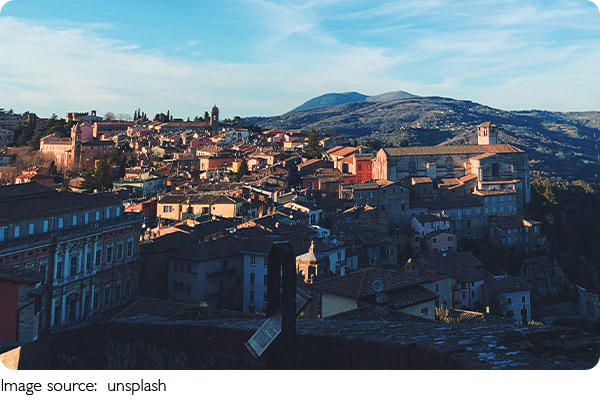
While Perugia is compact enough to explore on foot, choosing the right place to stay can enhance your experience.
• Historic Center Hotels – Staying in or near the old town puts you within walking distance of main attractions. Options include Hotel Brufani Palace, a luxury option with rooftop views of Piazza IV Novembre, or Albergo Morlacchi, a mid-range boutique hotel with classic Italian charm. Prices generally range from $100–$300 per night depending on the season.
• Guesthouses and B&Bs – For a cozier experience, Perugia has many family-run guesthouses. These often provide homemade breakfast and local tips. Popular choices include B&B La Dimora del Gruccione and Il Cantico delle Creature. Rates usually start around $70–$120 per night.
Pro tip: Book accommodation in advance during festival periods like Umbria Jazz or the Eurochocolate Festival, as rooms fill quickly.
Hotel Brufani Palace
Hidden Gems
1. Etruscan Well – A short walk from the main square, this ancient structure offers insight into Perugia's early civilizations. Entry is inexpensive, around $3, and the quiet, cool atmosphere contrasts sharply with the bustling city above.
2. Botanical Garden – The University of Perugia maintains a small garden showcasing native plants. It's an ideal spot for a calm stroll or to enjoy a picnic. The entrance is free, making it accessible for travelers seeking a break from sightseeing.
Perugia combines the appeal of historical landmarks with the charm of modern life. Strolling through its alleys, tasting its chocolates, and exploring both grand palaces and hidden gardens creates a layered experience that lingers long after your visit. By planning carefully—choosing the right times for attractions, knowing which streets to explore, and leaving room for spontaneous discoveries—you can see the city from multiple perspectives.
Next time you find yourself wandering the hills of Umbria, take a moment to pause in a quiet piazza, savor a pastry, and watch the city pulse around you; that's when Perugia truly comes alive.