Rhino Hidden Traits

Caleb Ryan
| 10-03-2026
 · Animal Team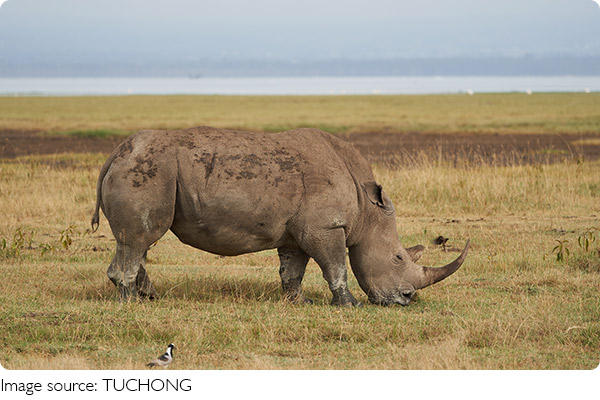
Rhinos may look imposing from a distance, but a closer look reveals animals shaped by remarkable adaptability. Their size, movement, habits, and sensory awareness all reflect a species finely tuned to its environment.
Beyond the horn and heavy frame, rhinos display a wide range of traits that make them one of nature’s most intriguing animals.
Unique Physical Traits
1. Distinctive horns
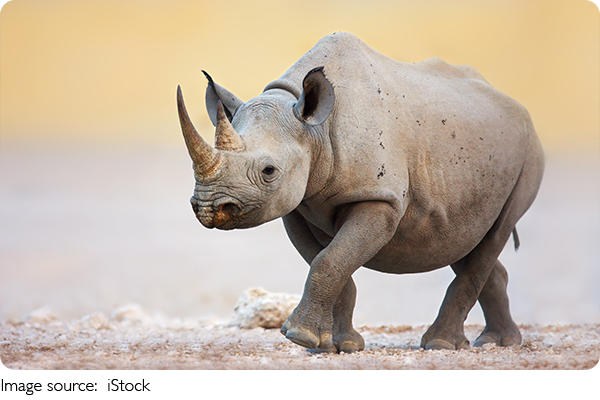
Rhinos are best known for their horns, which are made of keratin, the same material found in human hair and nails. Unlike antlers, which are shed, rhino horns continue growing over time. They use them for digging, moving branches, and navigating their surroundings, showing that the horn serves practical purposes beyond appearance.
Explore how these majestic cats survive and thrive in their habitats.
Explore why fish fascinates cats and what foods keep them healthy.
Explore the surprising behaviors and traits of these gentle grazers
Graceful on water, powerful in flight—there’s more to swans than you think.
Why Fluffy Cats Melt Our Hearts? Easy Grooming Tips to Keep Their Fur Soft, Clean and Healthy Every Day!
Why Are Baby Goats So Cute and Full of Energy on Farms? Discover Their Growth Secrets Today!
2. Thick skin with flexibility
Although a rhino’s skin can be very thick in some areas, it is also flexible enough to bend around joints without limiting movement. This structure helps the animal stay mobile and comfortable in changing outdoor conditions. Their skin also responds to irritation from insects and shifts in heat, making it an important part of daily survival.
3. Large bodies with unexpected agility
Despite their heavy build, rhinos can move with impressive speed over short distances. Their quick bursts of movement help them react to danger and maintain space within their range. Seeing them move swiftly across open grasslands challenges the assumption that very large mammals are always slow.
Behavioral Surprises
1. Social interactions
Rhinos are often described as solitary, yet their behavior can be more socially layered than many people expect. Mothers are highly attentive to calves, and younger rhinos may remain nearby during early development. They also rely on posture, scent, and sound to exchange information with one another.
2. Mud wallowing and skin care
Mud wallowing is an essential part of rhino life. A layer of mud helps shield the skin from strong sunlight, discourages insects, and cools the body in warm conditions. It may also help reduce irritation by loosening dirt and parasites from the skin.
3. Problem-solving abilities
Rhinos show signs of memory and practical learning in both managed settings and natural habitats. They can work around obstacles, remember familiar routes, and return to important resources such as water. These behaviors suggest awareness and adaptability rather than simple routine.
Dietary and Environmental Adaptations
1. Grazing and browsing
Different rhino species feed in different ways. Some mainly graze on grasses, while others browse leaves, twigs, and shrubs. This feeding flexibility helps rhinos live in a variety of habitats, including open plains and wooded areas.
2. Efficient digestion
Rhinos are hindgut fermenters, which means they can process large amounts of fibrous plant matter efficiently. This digestive system supports their large body size while allowing them to make use of coarse vegetation that many animals would struggle to digest well.
3. Water awareness
Rhinos are highly aware of water availability in their surroundings. They may travel considerable distances to reach dependable sources and often adjust their movements according to seasonal conditions. Their behavior reflects a strong environmental awareness that helps them cope with dry periods.
Communication and Senses
1. Keen sense of smell
Rhinos depend heavily on smell, especially because their eyesight is relatively limited. Scent helps them recognize individuals, understand reproductive signals, and mark areas they use regularly. This makes smell one of the most important tools in their daily lives.
2. Vocal expressions
Rhinos use grunts, snorts, and other vocal sounds in different situations. These sounds can signal alertness, reassurance, or contact between adults and calves. Rather than random noise, these calls function as recognizable signals within their interactions.
3. Tactile and visual cues
Even with modest eyesight, rhinos use body position, ear movement, tail motion, and physical awareness to respond to their surroundings. These subtle cues help them move through their habitat and interact with nearby animals in a controlled, effective way.
Rhinos are far more complex than their powerful appearance might suggest. Their physical design, feeding habits, social patterns, and sensory skills all reveal an animal built for resilience. Looking closely at these details helps us appreciate rhinos not just as iconic wildlife, but as highly adaptable creatures with distinctive behaviors and impressive environmental awareness.