Arizona’s Desert Wonders

Pardeep Singh
| 10-03-2026
 · Travel Team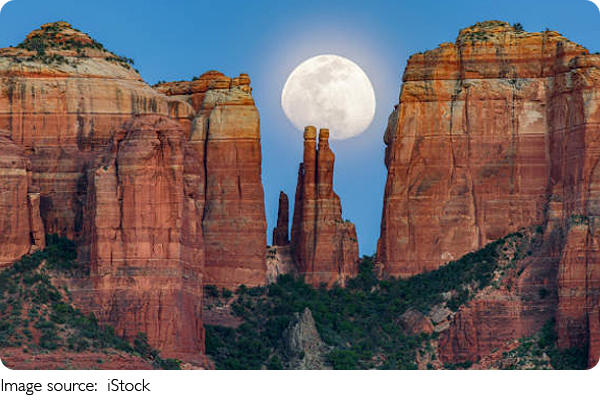
Arizona is a state defined by its contrasts. From towering red rock formations to vast desert expanses, its landscapes feel almost otherworldly.
Driving along Route 89, you'll notice the deep reds of Sedona's canyons reflecting the early morning sun, while distant mountains create a jagged horizon.
Each region offers a different perspective: the northern plateau presents cooler forests and alpine scenery, while the south showcases arid deserts dotted with saguaro cacti. The diversity makes it easy to immerse yourself in nature, whether you're hiking, photographing, or simply enjoying the silence.
Grand Canyon: Beyond the Icon
The Grand Canyon is often the first thing people associate with Arizona, and for good reason. Stretching over 277 miles in length and over a mile deep, it's a testament to millions of years of geological evolution. Visitors can explore the South Rim for classic viewpoints like Mather Point or venture to the North Rim for fewer crowds and a wilder feel.
Discover the best views, hidden spots, and tips for Seoul’s tallest landmark
Canada’s “Matterhorn” without the highway crowds
Insider tips to enjoy Boracay’s beaches, activities, and local gems
Explore Iceland’s colorful mountains and natural hot springs like a local.
Limestone cliffs, jungle hikes, and often fewer crowds than you expect.
Explore Norway’s Arctic gem with fjords, beaches, and charming villages.
For a more immersive experience, consider hiking part of the Bright Angel Trail. Keep in mind that entry fees are around $35 per vehicle, and early arrival—around 7 a.m.—is best to avoid busier times and capture sunrise over the canyon walls.
Red Rock Country: Sedona's Natural Canvas
Sedona's red rock formations are more than just visually stunning—they create a unique ecosystem and recreational playground. Trails like Cathedral Rock and Bell Rock are accessible for hikers of all skill levels, offering panoramic views of the region. The area is also famous for its vortex sites, believed by some to concentrate energy, though the real draw is the combination of dramatic cliffs and native desert flora.
Driving through Oak Creek Canyon, you'll find small pull-offs where photographers and nature lovers alike can pause to absorb the ever-changing colors. Sedona's tourist-friendly infrastructure includes parking, visitor centers, and maps, making it easy to explore efficiently.
Sonoran Desert: Life in the Arid Lands
The southern deserts of Arizona, including areas around Tucson, are home to the iconic saguaro cactus. These giants can live over 150 years, and spotting them towering over the desert floor is an unforgettable sight. Trails like the King Canyon or the Arizona-Sonora Desert Museum combine hiking with wildlife observation. Desert ecosystems are fragile, so staying on marked trails is essential.
For a seasonal tip, spring—March and April—brings wildflower blooms that transform the desert into a vibrant palette of colors. Temperatures can exceed 100°F in summer, so early morning visits or late afternoon hikes are safer and more comfortable.
Native Culture and History
Arizona is rich in cultural history, particularly the heritage of Native American tribes like the Navajo, Hopi, and Apache. Monument Valley, located on Navajo land, features sandstone buttes rising dramatically from the desert floor. Guided tours—typically around $70–$100—offer insights into local history, traditions, and storytelling, giving visitors a deeper appreciation for the land.
Ancient ruins like those at Wupatki National Monument showcase dwellings and ceremonial structures from centuries past, connecting modern travelers with the people who shaped this region long before it became a U.S. state.
Planning Your Visit
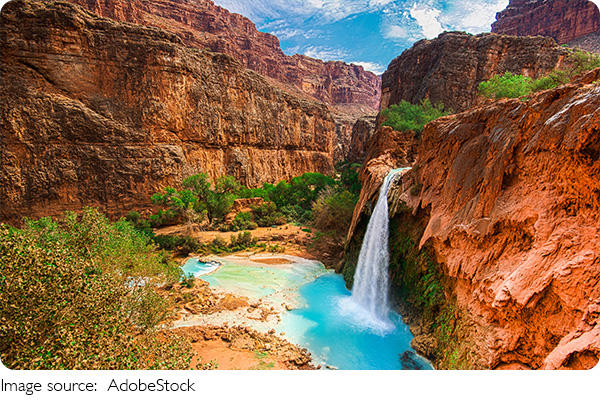
To make the most of an Arizona trip, consider a multi-region approach. Spend a few days exploring the Grand Canyon, Sedona, and nearby national forests before heading south to the Sonoran Desert. Car travel is the most convenient way to navigate between these locations, as public transport options are limited.
Entry fees for national parks typically range from $10–$35 per vehicle, and camping sites or lodges should be booked in advance, especially during spring and fall, when visitation peaks. Packing layers is essential, as temperatures can vary significantly from desert floors to high-altitude canyons.
Arizona's Enduring Appeal
Arizona is a land of extremes: arid deserts, lush forested plateaus, and dramatic canyons. Its beauty lies not only in its visuals but also in the experiences it offers—hiking, photography, learning about native cultures, or simply soaking in a sunrise over a canyon rim. Exploring Arizona is a reminder of the diversity and resilience of nature, as well as the ways humans have adapted to and celebrated these striking landscapes.
Next time you plan a trip west, remember that Arizona isn't just about the Grand Canyon. From quiet desert trails to vibrant red rock cliffs, every corner offers a moment of discovery and awe, leaving visitors with memories that last long after the sun sets over the horizon.