Healthy Detox Diet

Finnegan Flynn
| 12-12-2025
 · Information Team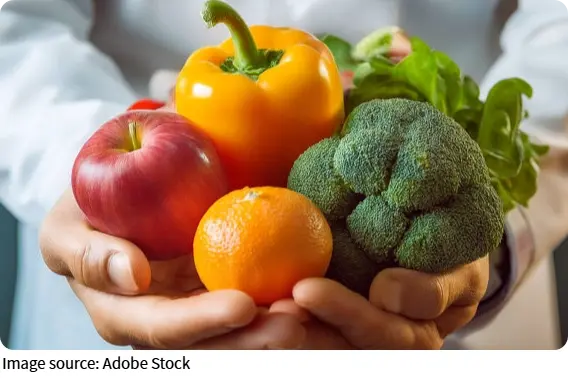
Have you ever felt tired, sluggish, or noticed dull skin even when you sleep enough? These are often signs that our body could benefit from some support through healthy eating.
Detoxification is the natural process by which our body removes unwanted substances, but it works best when we give it the right nutrients.
A science-backed diet not only supports detox but also helps maintain energy, focus, and overall wellbeing. Today, we’re going to explore how healthy eating can make a real difference in this process and what practical steps we can take.
The Science Behind Diet and Detox
Our body’s natural filtration and elimination systems — including the liver, kidneys, digestive tract and related excretory pathways — work continuously to process and remove waste products and potentially harmful compounds. A balanced diet rich in fiber, antioxidants, vitamins and minerals supports the healthy functioning of these systems, helping them carry out their detoxifying duties more effectively.
Pay Off Your House Early? Here's the Shocking Truth Experts Don't Agree On!
Gold Coins vs. Ingots: The One Choice That Could Cost You Thousands in a Crisis!
Can One DNA Sequence Hold Two Secrets At Once? The Mystery Of Overlapping Genes Awaits!
Buying property together? The one law firms beg you to know before signing a thing!
Can Antioxidants Really Guard Your Cells? The Truth About Their Hidden Defense Power!
Love Coffee During Pregnancy? Think Twice! The Effects Might Shock You More Than You Think!
Conversely, frequent consumption of large amounts of added sugar, saturated lipids or heavily processed foods has been linked to impaired liver function, lipid accumulation, inflammation and metabolic stress — factors that may hinder your body’s ability to clean itself efficiently.
Rather than relying on special “detox diets,” the most reliable approach is consistent, balanced nutrition, adequate hydration, and a healthy lifestyle — supporting your body’s built‑in cleansing and elimination mechanisms naturally.
Fruits and Vegetables: Nature’s Detox Helpers
Fruits and vegetables are the cornerstone of a healthy detox diet. They provide vitamins, minerals, and fiber, which help our digestive system move waste efficiently and reduce toxin accumulation. Eating a variety of colors—like leafy greens, red peppers, orange carrots, and purple berries—ensures we get a broad range of nutrients.
Each color represents different phytonutrients, which contribute to cell protection and overall health. For example, green vegetables like spinach or broccoli support liver function, while berries provide antioxidants that neutralize harmful free radicals. We should aim for at least five servings of fruits and vegetables each day to maximize these benefits.
Hydration: The Foundation of Detox
Water is essential for nearly every body function, including detox. Staying hydrated helps flush out toxins from the body, improves circulation, and supports digestion. Drinking at least eight glasses a day is a good baseline, but we can adjust based on our activity level or climate. Herbal teas, infused water, and water-rich foods like cucumbers or watermelon also contribute to hydration. By making water our daily habit, we provide our body with the fluid it needs to support detox processes naturally.
Whole and Minimally Processed Foods
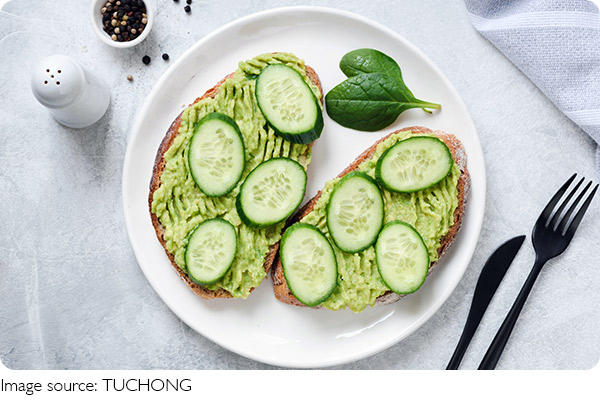
Choosing whole or minimally processed foods over heavily processed alternatives can support your health. Foods like whole grains, fresh produce, legumes and lean proteins tend to be rich in fiber, vitamins, minerals, antioxidants, and other beneficial compounds — elements often reduced or lost in processed foods.
Diets high in ultra‑processed foods — which often include excess sugar, sodium, saturated lipids and additives — are linked in many studies to increased risk of obesity, type 2 diabetes, cardiovascular disease and metabolic disorders..
On the other hand, diets based on whole foods and minimally processed items appear to improve markers of vascular and metabolic health — for example, consumption of fruits, vegetables, nuts, seeds and whole‑grain foods has been associated with better endothelial function and lower chronic‑disease risk.
While no diet — even a “clean” one — is a magic cure, opting for minimally processed meals helps reduce exposure to potentially harmful additives or excessive salt/sugar and supports the body’s waste‑removal systems such as digestion, metabolic regulation, and long‑term filtration & excretion systems health.
Antioxidants and Gut Health
Antioxidants help fight oxidative stress and protect cells, which supports our natural detox pathways. Foods rich in antioxidants include berries, nuts, green tea, citrus fruits, and colorful vegetables. In addition, gut health plays a crucial role in detox. A healthy gut microbiome supports digestion and helps the body remove waste efficiently.
We can nourish our gut by including probiotic-rich foods such as yogurt, kefir, or fermented vegetables. Prebiotics, found in garlic, onions, and whole grains, feed good bacteria and further enhance gut function. Together, antioxidants and a healthy gut make our detox system more effective.
Lifestyle Habits That Complement Healthy Eating
Diet alone isn’t enough; lifestyle habits play an equally important role in supporting detox. Regular physical activity enhances circulation and metabolism, helping toxins leave the body efficiently. Aim for at least 150 minutes of moderate exercise weekly, such as brisk walking, swimming, or cycling.
Sleep and stress management are also crucial. Consistent sleep and practices like meditation, deep breathing, or light stretching reduce stress hormones, which in turn supports liver and kidney function. Finally, regular health check-ups allow us to monitor our overall wellbeing and adjust diet and lifestyle habits as needed.
According to Jonathan Stine, MD — lead author of a 2023 meta‑analysis — regular exercise training significantly increases the likelihood of achieving clinically meaningful reductions in liver lipid in NAFLD patients, even without substantial weight loss.
Make Healthy Eating a Daily Habit
We’ve seen how science-backed dietary choices—fruits and vegetables, hydration, whole foods, antioxidants, and probiotics—play a central role in supporting our body’s natural detoxification processes. Combined with regular exercise, adequate sleep, and stress management, these habits help us feel more energetic, refreshed, and healthy.
Let’s start today by making mindful food choices, building healthy routines, and supporting our body’s natural detox every day. Small, consistent steps can lead to big improvements in wellbeing, and our future selves will thank us for it!