Cars as Cultural Mirrors

Raghu Yadav
| 03-12-2025
 · Auto Team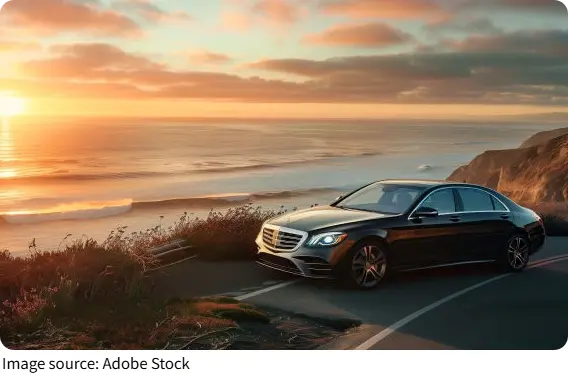
We all have that one car we remember—whether it's the beat-up sedan from high school or the sleek convertible you dream of owning someday.
Have you ever wondered why certain cars hold a particular place in our hearts, or why we gravitate toward specific brands or models?
It turns out that cars aren't just modes of transportation; they're also powerful symbols of who we are, where we come from, and how we see the world.
The Car as an Extension of Identity
From the moment you slide into the driver's seat, your car starts to reflect your personality. Some of us prefer the practicality of a reliable sedan, while others might choose an adventurous SUV or a classic sports car to make a statement. In many ways, your choice of car says a lot about your lifestyle, values, and even your social status.
Stop Replacing Your Wiper Blades So Often—You're Probably Making This Simple Mistake
3 surprising ways extreme motorsport tech is quietly protecting your everyday drive!
New CO₂ taxes in some countries are quietly turning gas-guzzlers into financial liabilities!
Your car is more than just a ride—discover how it reflects your personality.
Is living on the road cheaper with a budget car or an RV?
Essential checks to ensure a smooth and safe journey.
Take, for instance, the rise of electric vehicles (EVs). Owning an EV can symbolize a commitment to sustainability and modernity. It's not just about saving on gas—it's about making a statement that you care about the planet. On the other hand, a vintage car might speak to a love for nostalgia, craftsmanship, and a simpler, bygone era.
Cars Reflecting Regional Culture
Just as cities have their unique cultures, so do the cars that populate them. A truck in Texas isn't just a practical choice for work; it's often a representation of pride in ruggedness and self-sufficiency. Meanwhile, in cities like Los Angeles, where the landscape invites it, the convertible often becomes a symbol of freedom and luxury. The cars people choose often reflect the larger culture they inhabit—sometimes in subtle ways.
This cultural connection can be seen in the way different types of cars are marketed. In Europe, small, fuel-efficient cars like the Fiat 500 or the Mini Cooper are sold as practical solutions for tight spaces and urban living. Meanwhile, in North America, bigger is often better, with trucks and SUVs dominating the market.
The Evolution of Car Culture
Car culture has evolved over the decades, and with it, the symbolic role of cars has changed. In the mid-20th century, cars were a symbol of personal freedom. Think about the 1960s counterculture—those who drove classic muscle cars were often seen as breaking away from conventional society. Fast-forward to today, and cars still hold the same allure of independence, but now, there's also an emphasis on technology, sustainability, and luxury.
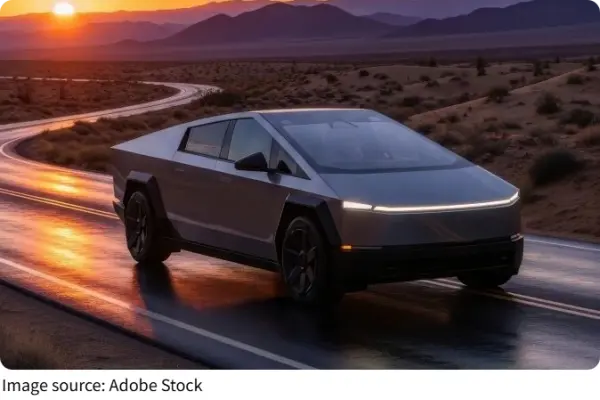
Take Tesla, for example. The electric car company has created a new breed of car owner—people who not only want to be seen driving a high-performance vehicle but also want to be associated with a forward-thinking, tech-savvy lifestyle. The status of driving a Tesla now isn't just about wealth; it's about aligning with a future-driven, environmentally conscious movement.
Cars as Social Status
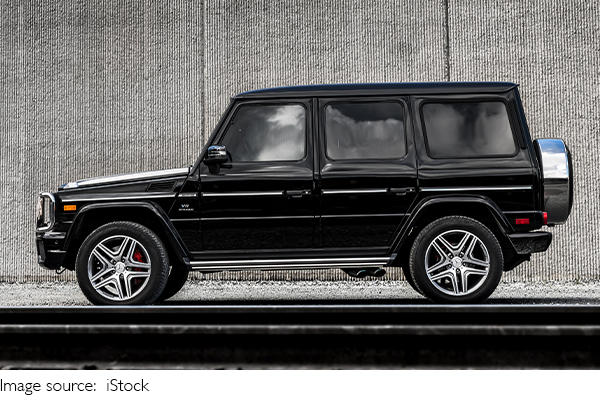
Cars have always been linked to social status, but this isn't just about the price tag. It's about what owning a particular car communicates to others. A luxury car brand like Mercedes-Benz, BMW, or Audi signals a certain level of wealth and sophistication, but the more subtle details—like the model or year—can reveal more about personal taste and status within a social hierarchy.
In contrast, a used car, or one that has clearly been loved for years, might communicate a sense of practicality and humility. These types of cars often signal that the owner values function over form, or perhaps they place a premium on financial responsibility over status.
The Connection Between Cars and Lifestyle Choices
The car you drive isn't just about getting from point A to point B; it's often tied to the lifestyle you lead. For example, if you enjoy weekend adventures, you might opt for an off-road vehicle that can handle rough terrain. Or, if you're all about minimalist living, you may go for a compact, efficient car that fits your values of simplicity and practicality.
Some cars even evoke specific subcultures. Take the Volkswagen Beetle—once a symbol of the hippie movement, it now stands for individuality, quirky style, and an appreciation for vintage charm. Similarly, the Subaru Outback has become synonymous with outdoor enthusiasts who cherish their connection to nature.
Cars in Pop Culture and Personal Identity
The connection between cars and pop culture influences how we view certain brands or models. When we see a classic Mustang, we might think of American muscle and freedom. When we see a Porsche, it might evoke thoughts of success and elegance. These pop-culture connections don't just stay on the big screen—they bleed into our everyday perceptions, influencing how we choose and personalize our own vehicles.
Ultimately, the cars we choose to drive reveal more about who we are than we might realize. They reflect our values, cultural background, and even our aspirations. Whether it's about practicality, status, or a love for adventure, our cars serve as a personal statement—a reflection of our identity on wheels.
So next time you're behind the wheel, take a moment to think about what your car says about you. It might just surprise you.