Self-Driving Safety

Mason O'Donnell
| 02-12-2025
 · Auto Team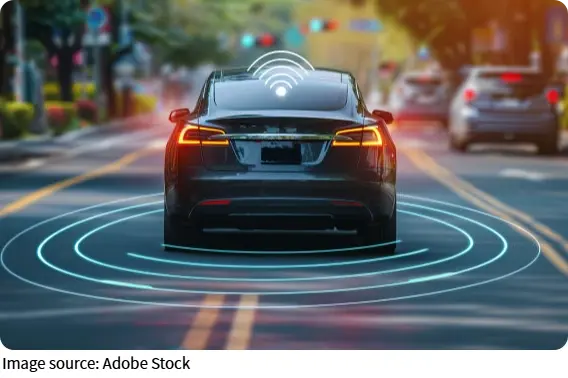
Imagine cruising down the highway, hands-free, as your car navigates traffic seamlessly.
The dream of autonomous driving has captivated us for years, promising a future where human error is minimized, traffic accidents are reduced, and roads become safer.
With major companies racing to develop fully autonomous vehicles, it seems like the future is within reach. But the road to a fully autonomous driving world is filled with significant hurdles. From technical limitations to potential cybersecurity risks, the challenges of ensuring the safety of self-driving systems are complex.
Breaking Through Technological Hurdles
At the core of self-driving cars is cutting-edge technology designed to make driving safer and more efficient. However, developing a car that can make split-second decisions in a dynamic environment, just like a human driver, is no small feat.
Simple tricks to save fuel and money on every drive!
Step-by-step actions that protect you and your vehicle after a wreck.
How 3D printing is reshaping automotive design and production!
How mobility as a service is changing the way we get around.
How blockchain is making your vehicle’s data safer than ever!
Discover how regular tire inspections can prevent accidents and save money!
Sensor and Perception Limitations
Self-driving cars rely on a combination of sensors such as LIDAR (Light Detection and Ranging), radar, and cameras to understand their surroundings. These sensors create a 360-degree map of the environment, allowing the car to detect objects, other vehicles, and pedestrians. But these sensors are far from perfect.
For instance, LIDAR's performance can be significantly affected by weather conditions, such as heavy rain or fog, which can impair visibility and hinder the vehicle's ability to detect obstacles.
Artificial Intelligence and Decision Making
Another major challenge lies in programming the vehicle's artificial intelligence (AI) to make decisions that a human driver might handle with instinct. Unlike humans, AI lacks the ability to make nuanced moral judgments or assess situations based on emotions and experience.
What happens, for example, when an autonomous vehicle faces a "trolley problem" scenario—where it must choose between two undesirable outcomes? The decision-making algorithms for such complex ethical dilemmas are still in development, and many argue they will need significant refinement before self-driving cars can be deployed on a large scale.
Vulnerabilities in the System: Cybersecurity Risks
While self-driving cars have the potential to reduce accidents caused by human error, they introduce a new set of risks: cybersecurity vulnerabilities. Autonomous vehicles rely heavily on complex software, and like any connected device, they are susceptible to hacking. A breach of a vehicle's system could allow hackers to take control of the car, potentially leading to dangerous situations for the driver, passengers, and pedestrians.
Hacking and Remote Control
Autonomous vehicles are designed to communicate with other cars and infrastructure systems, allowing for features like coordinated traffic flow and collision avoidance. However, this connectivity also opens up a new avenue for cyberattacks.
Data Privacy Concerns
Another concern is the massive amount of data collected by self-driving cars. From your location to your driving habits, autonomous vehicles continuously gather data to improve their systems and provide a better experience. However, the collection of such sensitive information raises privacy issues. How can car manufacturers ensure that this data is kept secure, and who owns it? If hacked, this data could be misused, leading to privacy breaches or identity theft.
Regulations: Navigating the Legal Maze
While technology and cybersecurity risks are paramount, the legal landscape surrounding autonomous vehicles is also in flux. Governments around the world are grappling with how to regulate these vehicles, ensuring they are safe for public use while encouraging innovation.
Standards for Safety and Testing
Regulation in the autonomous vehicle industry is currently inconsistent. While some countries have introduced frameworks to test and deploy self-driving vehicles, others are still working on creating comprehensive standards. The U.S., for example, has issued guidelines for autonomous car testing, but there are no federal laws mandating the testing of these vehicles.
Ensuring that these vehicles are tested thoroughly before hitting the streets is crucial to preventing accidents and ensuring their safety.
Liability in Case of Accidents
One of the most pressing legal questions involves liability in the event of an accident. If an autonomous vehicle is involved in a crash, who is responsible? Is it the manufacturer, the software developer, or the owner of the car?
Defining clear liability laws is essential before self-driving vehicles can become mainstream. Without proper legal frameworks, consumers may be hesitant to trust these systems, and the industry could face roadblocks in its adoption.
Steps Toward a Safer Future
As we move closer to the reality of self-driving cars, ensuring their safety is not only about refining the technology itself but also addressing the vulnerabilities and legal frameworks that surround them.
Collaborating for Better Security
Car manufacturers, tech companies, and government agencies must collaborate to create robust security protocols that protect autonomous vehicles from cyber-attacks. This includes encrypting data, securing communications between cars, and regularly updating software to patch vulnerabilities.
Continuous Testing and Ethical Programming
To ensure that self-driving cars make safe decisions, manufacturers should invest in rigorous testing and the development of ethical algorithms that account for edge cases. These systems must undergo thorough real-world trials to identify potential failures before they are allowed to operate on public roads.
As the technology progresses, regulatory bodies need to continue refining the legal framework surrounding autonomous vehicles to keep up with innovations and ensure safety. With the right balance of technological development, cybersecurity measures, and legal regulations, the dream of safer, more efficient roads can become a reality.

By addressing these safety challenges, autonomous driving has the potential to transform transportation as we know it—creating a future that is both safer and more connected. The road ahead may be uncertain, but it is clear that the future of autonomous vehicles will require continued collaboration and careful attention to detail.